



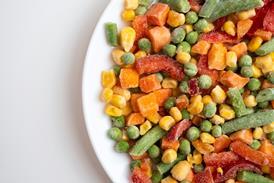


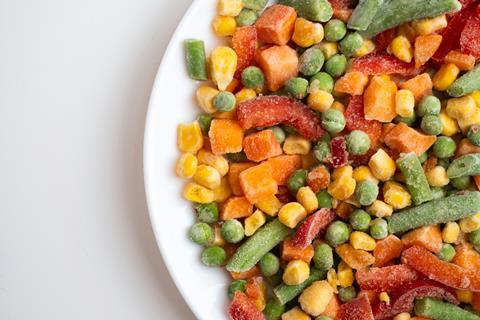
Families could save more than £1,300 a year by choosing frozen fruit and vegetables, according to research from the British Frozen Food Federation.
The latest figures show that frozen fruit and vegetables are now around 36% cheaper than their fresh equivalents.
The BFFF compared the cost of an 80g portion of commonly bought fresh fruit and vegetables with the same weight from frozen packs across five key staples: broccoli, spinach, mixed vegetables, strawberries and blueberries.
The average price of an 80g portion of fresh produce is now 51p, compared with 33p for frozen.
That difference equates to a saving of around 90p per person, per day when eating five 80g portions. For a family of four, the weekly saving is around £25.20, or £1,314 over a year.
The difference in cost between fresh and frozen has grown over the past year and the potential savings have increased by around £200 over the past 12 months.
BFFF said the reason it was cheaper was that less food is wasted in the frozen supply chain than fresh.
“Frozen food has an important role to play in helping households make their budgets go further while eating well,” said Rupert Ashby, CEO of the BFFF. “It also has a wider role to play in UK food supply chain resilience, providing a reliable way of preserving food for longer, helping to reduce waste and allowing consumers to keep nutritious produce available in their homes for when they need it.
“Frozen fruit and vegetables offer convenience and a long shelf life. They are an important part of a resilient food system and a practical option for families looking to eat a nutritious diet affordably.”
The research has been carried out as part of BFFF’s Frozen Food Revolution campaign which aims to inform, educate and engage consumers about the benefits of frozen food, and runs from 13 to 19 October.








No comments yet