





Corporate distress across Europe has eased in Q3, as companies across the continent absorbed the initial shock of the war on Iran better than expected.
Healthier business in the finance and tech industries supported a recovery in the third quarter, after the Middle East conflict threatened supply chains, energy prices and raw material supplies in the summer.
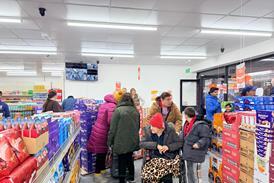
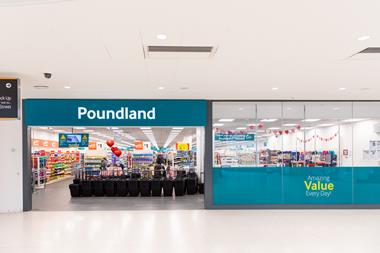
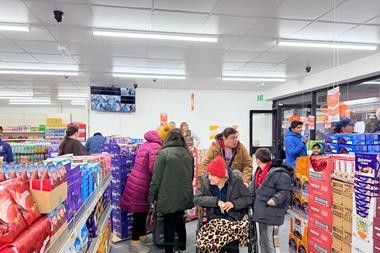
But distress in the retail and consumer goods industries edged up slightly, remaining significantly higher than it had been a year ago, according to Weil’s European Distress Index.
“The latest data suggests businesses have absorbed the first wave of geopolitical and economic disruption better than many expected,” said Andrew Wilkinson, head of Weil’s London restructuring practice.
The index, which measures companies’ profitability, insolvency risk, changes in valuation and return on investment, likewise found that overall corporate distress remained higher than its level of a year ago.
Profitability was the largest source of distress in the retail and consumer goods sectors.
“Resilience should not be mistaken for recovery,” said Wilkinson. “Distress remains above normal levels, and financing conditions are still challenging. If borrowing costs remain elevated while demand and margins stay under pressure, we could see this continued level of distress begin to feed through into higher default rates across Europe.”
In the UK, corporate distress eased slightly in the quarter. Just as in Europe, the economy proved more resilient than expected, with GDP growing by 0.4% in the second quarter and business investment growing by 1.7%.
The IMF has subsequently raised its 2026 growth forecast for the UK from 0.8% to 1%, marking it the third-fastest growth in the G7.
However, companies are still struggling to finance their growth. In the UK, the effective rate on new corporate bank loans rose to 5.6% in July, while the rate for SMEs increased to 6.6%, with Bank of England lenders also reporting tighter credit availability for SMEs in Q2.
According to Weil, the lack of distress pointed to “resilience rather than recovery”, with further cost pressures and distress to come from the continuing war in Iran and as debts mature.
Conditions in the third quarter were even more difficult for businesses in France and Germany.
Weil partner Jenny Davidson, also part of Weil’s restructuring practice, said: “France remains a place to watch, as is Germany. The sector picture shows retail distress at its highest level since the global financial crisis, but the nature of that distress is very different.
“Profitability and liquidity now play a much greater role as retailers contend with higher costs, rising interest rates and uneven consumer demand.
“If those pressures persist as the upcoming maturity wall is hit, we are likely to see a widening gap between businesses with the balance-sheet flexibility to absorb them and those with much less room for manoeuvre.”








No comments yet