






Certification changed the tea industry for the better. The audit trail provided the industry with something it had never had before: a minimum standard. That achievement deserves celebrating.
However, what began as a way to improve working conditions and environmental practices has become increasingly complex, with growing checklists and requirements that place additional burdens on tea growers as they work to meet buyers’ demands.
Often it is tea growers, the lowest earners in the supply chain, who absorb the cost. Audits, reporting and improvements all require investment, yet the price paid for certified tea does not always reflect the true cost of producing it.
This imbalance needs to change. If we ask growers and workers to invest in higher social and environmental standards, businesses across the supply chain have a responsibility to share that cost to ensure more of the value created by ethical sourcing reaches the people producing the tea.
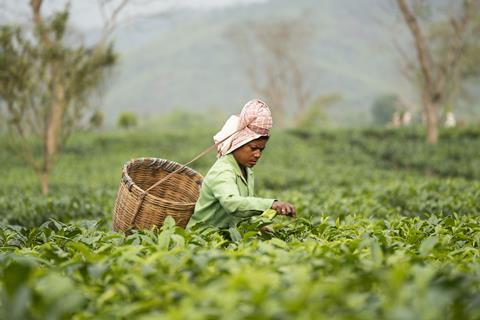
This matters particularly for the women who pluck the tea. Plucking is one of the most physically demanding roles in the supply chain, yet these workers often earn too little and have limited say over their earnings or their future. Their grandmothers had little choice but to pluck tea because they could not read nor write. Today, women face a different form of illiteracy – financial and digital – that limits access to the opportunities our economies are built on.
Paying women more is essential. So is giving them greater control over what they earn and the choices available to them. Tea cannot truly be called ethical if the people who produce it do not receive a fair reward for their work.
Certification is a first step to strengthen ethical sourcing practices, but it cannot be the final destination. At Ahmad Tea, we have chosen to invest differently: sharing value directly with those who have helped create it – the women who have picked the tea leaves.
The need for shared responsibility
The need for this shared responsibility is even more urgent as we face climate change. If value continues to flow away from where tea is grown, how do growers build the resilience they need to meet the unpredictable needs of a climatically unstable future?
That is what drove Ahmad Tea’s Hand Picked Profit Shared initiative. Through this initiative, we pay a digitally traceable bonus directly into tea workers’ bank accounts in recognition of their contribution to our quality, social and environmental standards. This year, we are on track to reach 20,000 women – a significant achievement, but there is still further to go.
The impact goes beyond the payment itself. Access to a bank account and financial literacy can give women greater control over their earnings and greater opportunities for the future, as well as put value back into the supply chain to help support the challenges of climate change. Hand Picked Profit Shared is not the complete answer, but it is our attempt to share responsibility for those in our supply chain.
For retailers and brands, the question is how each of us can go further. If we require a particular standard from our suppliers, are we willing to pay a price that reflects the cost of meeting it? Are we asking where value goes through the supply chain and whether enough of it reaches the people who grow the plant and pluck the leaf? Rather than assuming what workers need, are we creating opportunities to better hear their voices?
None of this requires waiting for an updated certification scheme. It can start with the next procurement decision, the next supplier conversation and the next question we choose to ask. Certification can be where responsibility begins, but it should not be where it ends.
Zahra Afshar is head of legal, human rights and sustainability at Ahmad Tea










No comments yet