





There are people who will happily pay £4 for salt. It isn’t about the salt.
Even the most basic-seeming categories in the store have stopped behaving quite so much like commodities. Salt, butter, olive oil, tinned fish. Things once bought on habit, now sought out and chosen for what they say about the person choosing.
Two studies this year make the same point from opposite ends. McKinsey’s State of Grocery Retail Europe finds younger and better-off shoppers going cheap on the basics and spending up on a handful of categories they care about. Highsnobiety explains which categories those are: the ones that say something about you. In its Status Economy research, 71% now call food and drink a form of lifestyle expression, and 71% have bought a grocery item mainly because of how it looked. Their crowd runs young and culturally fluent, so treat it as the leading edge, not the whole market.
We have always known food says something about us. The shift is less about premiumisation than participation. Consumers are not simply buying better ingredients, they are buying into the world around them. A jar, tin or packet can now carry the same cultural signals as a fashion label or restaurant. That makes packaging less of a wrapper and more of a form of self-expression. Nobody is surprised by this when it comes to wine, or coffee. What is new is that it now reaches into more ordinary aisles.
Design has always carried meaning here. What’s growing is how much of it now speaks to the shopper’s sense of who they are, or want to be, not just the product. The tinned fish that reflects your good taste? Fishwife. The fancy butter that says you take small pleasures seriously? Bordier.
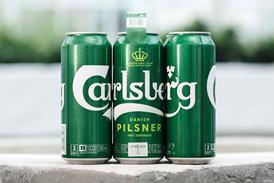
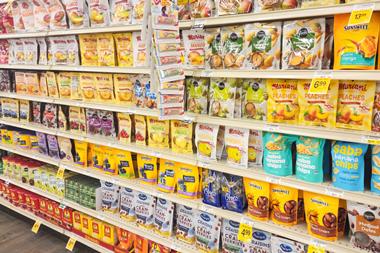
This is a commercial shift – and design is leading it because the thing carrying the meaning is the pack. It still has to win the shelf, those famous three seconds. But it doesn’t stop at the till. It sits in the kitchen, where it has to work as an object you choose to have in your home and life. And it lands in the feed, where it has to say something good about the person sharing it and the person being served it. Most packs are still briefed for the shelf and nothing beyond it. The part that actually earns the premium, what the pack says about the person choosing it, barely makes the brief.
So this is a reminder more than a revelation. There is no such thing as a commodity, only commoditised thinking. Salt proves it. However ordinary the thing you make, the pack can, and should, be a positive reflection of the person choosing it. Increasingly, that is what they are paying for.
Sarah Knox is a senior strategist at Lewis Moberly






No comments yet