

Is the future of farming, food and retail wilder? As a farmer, a Scot and someone who works for Pasture for Life, the word ”rewilding” comes up in a lot of my conversations, usually in polarised debates about rewilding versus farming, including on a recent Pasture for Life trip to Transylvania with a group of ecologists, nature recovery specialists and farmers. I came back still agriculturally focused, but surprisingly rewilding-curious and ravenous for animal products from a highly biodiverse landscape.
Before the trip, rewilding to me meant a huge area of wet, scrubby land, ringed by a freshly funded deer fence, with a pair of ‘iconic species’ posed in the foreground and, crucially, no people. It’s the picture most farmers are given, usually under a headline of “this is who’s coming for your land”. Put up the perimeter, create the conditions for your chosen poster-child species and get everyone to go away.
The lone stag in a vast, bare glen may be the most successful brand Scotland has ever exported – a natural canvas for a modern version, with the stag swapped for whichever species fits the bill(board). For a time, that imagery did deliver employment and food for the uplands.
But currently both rewilding and farming are showing us a landscape devoid of people because economic, social and political pressures are making it ever harder to make a living from that land. My fear is that rewilding done for nature’s sake alone locks that emptiness in and compounds the problems of shrinking rural economies, populations and food sources.
My apprehension is mainly about passive rewilding: withdrawing human activity entirely and letting land revert to a wild state on its own, on a very distant timescale. I worry it doesn’t move the dial at a time when we really need to.
Scotland ranks in the bottom 15% of countries for biodiversity intactness and the UK is the worst in the G7. Restoring nature is an obligation. But the imagery we’re shown to motivate us feeds the narrative that human activity can only degrade nature and that the way to restore biodiversity is to leave the land alone and walk away.
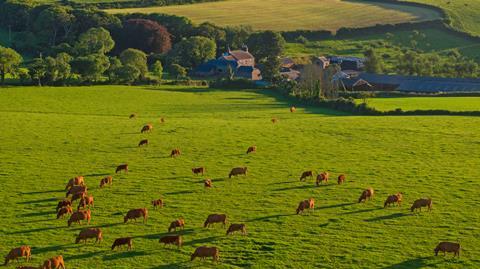
Yet much of the biodiversity we have left isn’t there by accident – it’s a remnant of once-thriving rural communities working the land, now in decline as the uplands are parcelled into competing single purposes that stop at the fenceline: sheep, game, forestry, conservation. The same hills carried around 150,000 cattle in the early 1800s. That mixed, peopled landscape is the reference point we should be restoring towards, not walking away from.
What rewilding should be
Transylvania offered a baseline for what the rewilding image should be: multiple layers of plant, shrub and tree cover, huge variation in species, more plant biomass, more animals consuming it, more photosynthetic energy cycling through the system, all set against a highly varied, local food culture. Seen that way, it’s clear what role the food producers play in the ecosystem. Time to add in some “ag”.
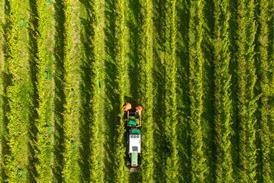
We forget that humans are the keystone species of keystone species. We emptied the glen and promoted the stag – we can just as easily demote it. Managed intentionally, ruminant livestock are both a tool and an energy source – creating disturbance, pushing scrub back or letting it in, openening the way for wildflowers and insects, building soil carbon, giving woodland the chance to regenerate, and turn sunlight and diverse plants into animal protein.
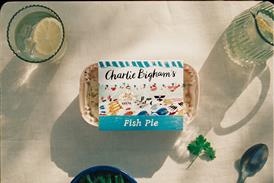
The picture on the pack for rewilding-based products should start with ag: a landscape getting wilder because of the farmer, not in spite of them – and their mates: the forester, the stalker, the ecologist, the natural capital investor, the renewables surveyor, the processor, the eco-tourist, all working the land together. On the shelf, that means food with real provenance, telling shoppers exactly where it comes from.
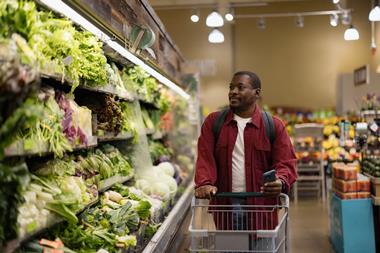
For retailers, as much as for farmers, that’s the opportunity. Shoppers already buy by the picture on the pack. Stock products with provenance that tell the land’s story and back the producers creating the conditions for it. The stag emptied the glen – but with the right management, the farmer can help fill it again.
Jamie Jack is a member of UK Youth Food and Farming Forum


No comments yet