






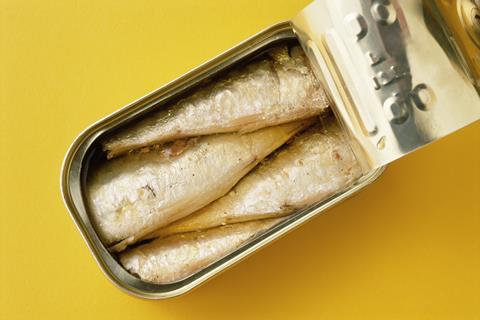
Brits want to eat more British fish, according to a new study from the University of East Anglia.
‘Socioeconomic evidence for sustainable fisheries: Pyramids of life project – socioeconomic strand’ said that around 40% of consumers were willing to experiment with fish they had never tried before.
The study was led by researchers at UEA’s Centre for Social and Economic Research on the Global Environment, who said the UK was overlooking a major opportunity to improve national health and bolster local economies by embracing local fish stocks.
“Sardines and anchovies were once staples of traditional coastal diets but nowadays, many British consumers have never tried them,” said lead researcher Dr Silvia Ferrini. “Concerns about taste and bones often stand in the way.
“But our research shows that curiosity is strong, with nearly half of UK consumers saying they would be willing to try these lesser‑known species – especially if they are fresh, locally sourced and reasonably priced.”
Among the key findings, the study found that 84% of UK adults eat fish, with most consuming it around once a week at home and less than monthly when eating out. However, supermarket sales are heavily concentrated on the ‘big five’ species: cod, haddock, salmon, tuna and prawns.
Meanwhile, 58% of Brits surveyed had never tried sprat, 28% anchovies, 23% herring, and 12% sardines.
A generational divide
It also revealed a growing divide between younger and older generations concerning fish, with younger consumers eating less fish and feeling less confident preparing it.
Without a change, these factors could contribute to an accelerated long-term decline in seafood consumption.
The report showed regional discrepancies in the likelihood of people being seafood consumers, with England typically ranking higher than Scotland, Wales and Northern Ireland. While a Londoner was found to be up to 92% likely to be a consumer of fish, the figure for a consumer from Northern Ireland was only 77%.
Lower-income households were also found to be less likely to buy fish outside the ‘big five’.
“One practical solution is introducing British fish into school meals, helping children develop healthy habits early and giving families the confidence to diversify their diets,” Ferrini added.
Read more:
-
Norway and Russia to cut Northeast Arctic cod quota by 16%
-
UK secures nearly £1bn in fishing opportunities for 2026
-
Pricey beef losing out to cheap meat
The study concluded a shift towards more diversified fish consumption would support national fisheries, food-system resilience, and help with reaching nutritional targets, especially in younger and lower-income households.
Although the report noted a collapse in seafood sales since the Covid pandemic, surveyed consumers were found to be prepared to pay a £4 premium per portion for fresh, local fish.
The authors recommended a mix of strategies to shift behaviour, including awareness campaigns, more adventurous menus, price incentives and new labelling.
They similarly argued that, if retailers increased shelf space, highlighted local origins and offered simple recipe ideas, people would be more likely to try species like sardines and anchovies.
“The UK could strengthen food security, cut carbon emissions, support coastal communities and help restore balance in marine ecosystems, all while giving families access to healthy, affordable and delicious home‑caught fish,” Ferrini added. “The message is clear: sardines and anchovies aren’t just good for you; they could help secure the future of Britain’s seafood.”











No comments yet