






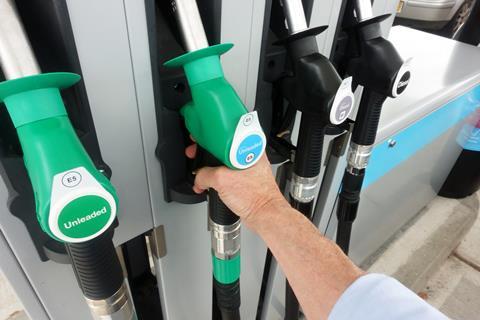
The Competition & Markets Authority (CMA) has again found no evidence that forecourt retailers are price gouging on the back of the Middle East crisis, but warned that “passive pricing strategies” are contributing to sustained high margins.
In the watchdog’s latest road fuel monitoring report, which assessed the conflict’s impact on fuel prices and margins across May and June, it found lower wholesale prices led to falling pump prices, and that retailers had not actively changed their pricing strategies to take advantage of the crisis.
In its previous report, published in June, the CMA found soaring oil costs also remained the key driver of pump price increases during March and April, and wholesale costs accounted for most of the rise.
The CMA, however, remains concerned that the “continued use of passive pricing strategies by the majority of retailers is contributing to sustained high margins”.
Its latest analysis indicated that some retailers did not immediately pass reductions in wholesale diesel prices on to drivers, the CMA said, which would have “intensified competitive pressure on rival retailers”.
Given these findings, the CMA said it will continue to actively monitor and undertake a more detailed review in the autumn.
The autumn report will include further analysis of retailers’ pricing strategies, whether wholesale price changes are reflected in retail prices in a timely manner, and the reasons why fuel prices vary between local areas, with a view to ensuring customers are paying a fair price for fuel wherever they live.
“We know prices at the pump are putting real pressure on drivers’ pockets and our monitoring plays an important role in giving drivers confidence that retailers are not taking advantage of the conflict in the Middle East,” said CMA CEO Sarah Cardell.
“We will continue to monitor prices and margins closely and expect any reductions in wholesale prices to be rapidly and fully passed on to drivers.
“In the meantime, Fuel Finder can help drivers save money when they fill up. The more motorists make use of Fuel Finder-backed services, the better it works – saving money now and driving down prices in the long run.”
The CMA’s findings come as it told retailers in May it would commence enforcement action, including fines, for businesses that fail to register with the government’s Fuel Finder scheme or to submit accurate and up-to-date pricing information. The scheme requires retailers to report fuel price changes within 30 minutes.
Since then, the CMA has sent 1,166 letters to retailers and issued compliance notices in respect of 53 sites. Most registration issues were resolved quickly once retailers were contacted, which has contributed to “extremely high levels” of registration, with no need for the CMA to impose financial penalties, it added.
The CMA’s analysis shows that around 97% of UK petrol stations are now registered with the scheme, and that those sites account for an estimated 99% of fuel sold in the UK.
VE3, the aggregator responsible for reporting issues to the CMA, has also not referred any suspected cases of non-compliance with the price reporting duty to the CMA so far.
The CMA will continue to promote compliance with the regulations through outreach to retailers and targeted, proportionate enforcement action where appropriate, it added.








No comments yet