



The popularisation of GLP-1 weight-loss drugs has driven a rebound in M&A in snacking companies around the world, according to analysis by investment bank Houlihan Lokey.
The first half of 2026 saw companies agree 65 M&A deals in the category, easily beating the subdued totals seen at the beginning of 2025 and returning to levels seen in previous years.
The 65 transactions closed represented around $5.9bn (£4.45bn) in disclosed deal values.
While GLP-1 users eat about 6% less food overall, the changes in their dietary preferences – and knock-on effect on their household – have driven demand in the category for highly specific, nutrition-focused capabilities. More than 60% of users either maintained or increased their spend on high-protein, functional snacks, while cutting traditional calorie-heavy sweets or crisps.
Brands are therefore racing to build out their “justified indulgence” portfolio through deals, such as Ferrero’s pending $850m-plus acquisition of granola maker Purely Elizabeth and German giant Intersnack buying US player Utz Brands for $2.9bn.
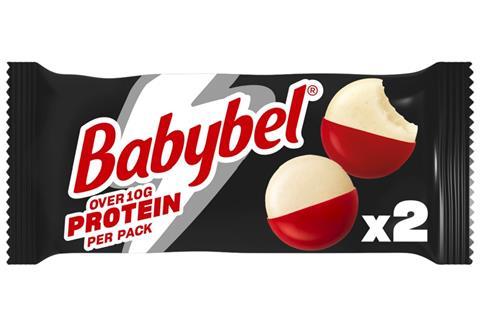
The jump in M&A has been accompanied by large global groups rushing to develop functional or protein-boosted variants of their own snacking portfolio, such as PepsiCo’s release of high-protein Doritos or Bel Group’s Babybel protein.
Multinational companies are “actively refreshing their portfolios” to meet the change in consumer demand, said James Scallan, a managing director of Houlihan Lokey’s consumer group.
“Ferrero’s acquisition of Purely Elizabeth represents a clear growth play – acquiring a high-velocity, newer brand to capture premium, health-conscious consumers,” he said.
“Conversely, Intersnack’s take-private of Utz represents a large-scale, stable platform acquisition designed to secure immediate market entry and robust distribution infrastructure. For financial sponsors, this dual appetite – whether for high-growth disruptors or stable scale – provides viable and diverse exit pathways.”
While early market reactions to GLP-1 focused on the potential for broad volume declines across the food sector, investors are adopting a more targeted approach.
“In current deal processes, buyers are focusing less on absolute demand destruction and more on category reallocation,” Scallan explained.
“As consumption of traditional snacking categories moderates, we are seeing a clear shift in consumer spend towards high-protein and high-fibre alternatives. This isn’t about general satiety – it is a structural need to support nutrition, preserve lean muscle mass and maintain digestive health during periods of overall calorie reduction.”
While the number of private equity deals in the category remains “selective”, buyers are actively on the hunt for high-quality businesses that fit those criteria, Scallan added.
“They recognise that functional challenger brands meeting these specific macronutrient needs demonstrate exceptional growth potential and future brand equity.”








No comments yet