





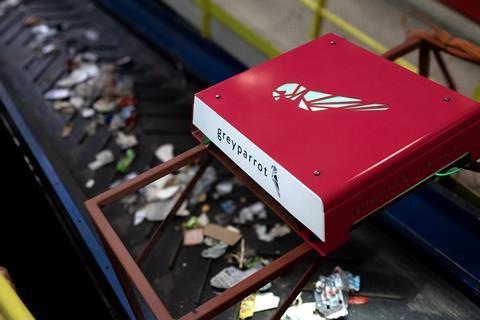
Recycling tech startup Greyparrot has secured $27m (£20.3m) in Series B funding for its AI camera systems that detect and identify waste objects.
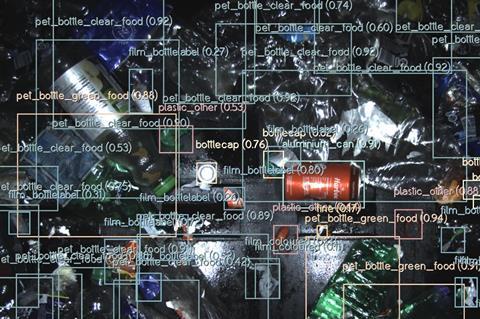
Installed above sorting belts in recycling facilities, Greyparrot’s AI waste analysers work continuously to identify materials, products and brands in real time, giving operators continuous data on the waste moving through their facilities.
“Waste is one of the planet’s largest untapped resources, and data is the infrastructure that unlocks it,” said Mikela Druckman, co-founder and CEO of Greyparrot.
The company’s tech has now detected more than a trillion waste objects between installations in more than 20 countries, and was used for the first time to support waste audits to the Environment Agency by Biffa and FCC. The company’s tech is now being used by consumer goods companies including Unilever, L’Oréal and Kenvue to inform their product design, compliance and exposure to UK and EU packaging waste fees.
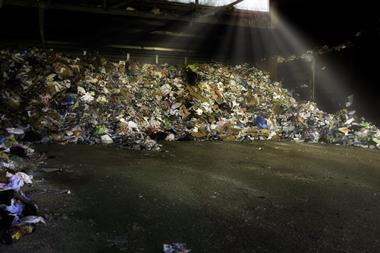
Less than 0.1% of the world’s estimated 2.3 billion tonnes of annual solid waste is currently audited, according to Greyparrot, making it extremely difficult to plan for a circular economy that makes use of that waste.
“Markets cannot invest in what they cannot measure,” the company said, pointing out that recycling stream data would allow for markets to price and back secondary materials in their own right.
“Waste intelligence will do for materials what satellite data did for navigation,” added co-founder Ambarish Mitra.
“For decades, waste has been a blind spot. Nations compete for resources while burying and burning existing resources. What’s been missing is the ability to measure what they’re losing. Once you can measure a material, you can trade it and invest in it. That is when the circular economy stops being an ambition and becomes infrastructure.”
Greyparrot warned late last year that the UK’s extended producer responsibility tax was too “blunt” a tool to help the UK towards a circular economy.
It said the tax scheme did not account for what happened to different types of plastic when they entered the waste stream. Under current rules, producers are charged a blanket rate for plastic packaging, rather than what is recovered.








No comments yet