



Supermarkets see budget own-label offerings as a necessity, but playing the low-price card and at the same time avoiding the downmarket image is a tricky balancing act. Stefan Chomka reports
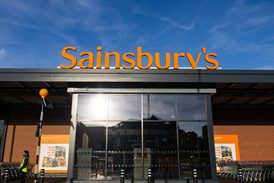
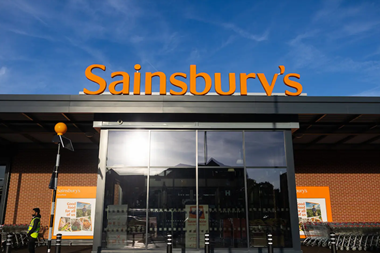
With all the effort that the retailers have put into their premium own-label ranges in the past few years, the introduction of a new budget own label by Sainsbury could be seen as a step backwards.
That’s not how the retailer sees it. While high-quality own-label products have been very successful at taking market share away from the top brands and boosting the profile of own label, Sainsbury’s view is that retailers dismiss the value end at their peril.
In January, it overhauled its Low Price value range, replacing it with Basics, an improved range of entry-price own-label products. Basics follows the same low-price strategy as its predecessor, but the packaging has been improved and updated to create what Sainsbury hopes will be regarded as a more upmarket range.
Basics brand manager Tim Lennox says the revamp was necessary as it discovered that Low Price was being overlooked by many consumers. “We did a lot of research and the Low Price range wasn’t appealing to a broad range of customers. We decided to rebrand and make it more appealing.”
But the introduction of Basics has not merely been an exercise in repackaging. Sainsbury has big intentions for the range and wants sales of the products to become a larger part of overall customer spend. As a result, in just three months Basics has swelled to 350 lines, already 100 more than the previous Low Price range, and Lennox says that by September this number will have reached 500.
“We have added products so that the range covers every category in-store, with one or two exceptions,” says Lennox. “Low
Price had no lines in certain categories.”
Categories into which Basics has entered for the first time include ready meals, of which around 20 new products have been created, pizzas, prepared vegetables, bagged salads and health and beauty products.
However, the extension of a value own-label range is not without its pitfalls, says Jonathan Smith of Axis Management Consulting. He argues that while such ranges may be good at getting people through the door, they can result in a loss of profit as people trade down. He says: “Is it desirable to grow the category? Not for the retailers or the suppliers. In those products positioned at low prices, there is very little profit to carve up between the supplier and the retailer. It’s a limited part of their business. If they end up trading down any customers from a full-price product to low-price ones, it’s bad for turnover and bad margin.”
He believes the way in which the retailers have handled budget own-label ranges in the past supports this view. “The packaging is very basic - not too eye-catching so as to encourage impulse purchasing, which might take business away from mid-priced products. Products are often positioned on the bottom shelf with minimum space. It’s a competitive necessity but not desirable. I believe that was the strategy.”
Yet recent action by the retailers seems to belie Smith’s notion.
With competition between the sector intensifying, the budget own-label ranges are playing a key role in the price war between the supermarkets - and between them and the ever more confident hard discounters.
Some claim this is a phoney war. Colin McMahon, head of brand marketing at Kwik Save, which offers the Simply range, is sceptical about how the revamp of some competitors’ budget lines fits in with their overall pricing strategy. He says: “We are committed to giving our customers the best-possible value at the cheapest prices - unlike some of our competitors, who appear to be talking up their value ranges now to deflect from their normal pricing position.”
Yet most retailers have long understood they need an own-label hierarchy of good, better, best - or budget, standard and premium. And for now, the focus is on improving the bottom end of that hierarchy, by smartening up ranges so that consumers perceive them as offering good quality as well as cheap prices.
Somerfield led the charge in 2002, when it ditched its own Basics brand, replacing it with Makes Sense in 2002. Tamsin Jervis, Somerfield brand manager, says: “This decision was based on research showing that customers didn’t want to be made to feel that they were buying rubbish products.”
Tesco followed suit a year later with the major revamp of its Value range, after it also found that consumers were being put off by the downmarket image of the brand. In January this year, Asda gave its Smartprice range a complete overhaul, revamping packaging and reformulating all of its lines to improve their quality and health profile.
Emphasising the quality of its budget range was also the rationale behind Sainsbury’s move, according to Lennox: “[Low Price] shouted a budget range but lacked reassurance of the quality aspects.”
As a consequence, Basics has increased focus on the purpose of the products, with light-hearted statements on the packaging, such as ‘no lookers, good cookers’ for its Bramley apples and ‘no lookers, good juices’ on its lemons. These justify the product’s low price while quashing the notion it is of poor quality, says Lennox. “Putting statements on
packs does reassure consumers. In many cases the product is different, but it is not inferior, it’s a size or variety issue. There is a fun aspect to the labelling, but on a serious note it says the product is still as good.”
Lennox is, however, acutely aware of the danger of customers trading down by making Basics more appealing. But he is confident that the pros of an improved and larger range outweigh the cons. “There is a huge risk of trading down. We can lose a lot from standard lines and certain others, but we are also hoping to attract new customers,” he admits. But he says Basics’ sales have been incremental rather than cannibalising standard lines. Instead of encouraging customers to trade down, Lennox insists the range is persuading many customers to switch to more expensive lines. Basics juice, for example, has been bought by people who usually buy squash.
The story is the same over at Tesco, which has made great play of the incredible value offered by its budget ranges in its new advertising campaign. Tesco says Value, rather than taking away from standard lines, encourages consumers to shop more sensibly. It says 84% of shoppers buy Value lines - a figure Lennox says Sainsbury would like to reach - and 64% buy both Value and Finest. More than that, however, Tesco, which leads the field with 1,200 budget lines, has moved Value out of food into areas such as toasters and kettles.
Axis’ Smith agrees budget ranges appeal to a wide spectrum of shoppers. “You’ve got a proportion of consumers on a very tight budget and have to shop for those ranges, and another set who could afford to spend more but like to buy smart,” he says.
With budget lines thought to be worth hundreds of millions a year in sales for retailers, there are clearly a lot of smart shoppers out there.
With all the effort that the retailers have put into their premium own-label ranges in the past few years, the introduction of a new budget own label by Sainsbury could be seen as a step backwards.
That’s not how the retailer sees it. While high-quality own-label products have been very successful at taking market share away from the top brands and boosting the profile of own label, Sainsbury’s view is that retailers dismiss the value end at their peril.
In January, it overhauled its Low Price value range, replacing it with Basics, an improved range of entry-price own-label products. Basics follows the same low-price strategy as its predecessor, but the packaging has been improved and updated to create what Sainsbury hopes will be regarded as a more upmarket range.
Basics brand manager Tim Lennox says the revamp was necessary as it discovered that Low Price was being overlooked by many consumers. “We did a lot of research and the Low Price range wasn’t appealing to a broad range of customers. We decided to rebrand and make it more appealing.”
But the introduction of Basics has not merely been an exercise in repackaging. Sainsbury has big intentions for the range and wants sales of the products to become a larger part of overall customer spend. As a result, in just three months Basics has swelled to 350 lines, already 100 more than the previous Low Price range, and Lennox says that by September this number will have reached 500.
“We have added products so that the range covers every category in-store, with one or two exceptions,” says Lennox. “Low
Price had no lines in certain categories.”
Categories into which Basics has entered for the first time include ready meals, of which around 20 new products have been created, pizzas, prepared vegetables, bagged salads and health and beauty products.
However, the extension of a value own-label range is not without its pitfalls, says Jonathan Smith of Axis Management Consulting. He argues that while such ranges may be good at getting people through the door, they can result in a loss of profit as people trade down. He says: “Is it desirable to grow the category? Not for the retailers or the suppliers. In those products positioned at low prices, there is very little profit to carve up between the supplier and the retailer. It’s a limited part of their business. If they end up trading down any customers from a full-price product to low-price ones, it’s bad for turnover and bad margin.”
He believes the way in which the retailers have handled budget own-label ranges in the past supports this view. “The packaging is very basic - not too eye-catching so as to encourage impulse purchasing, which might take business away from mid-priced products. Products are often positioned on the bottom shelf with minimum space. It’s a competitive necessity but not desirable. I believe that was the strategy.”
Yet recent action by the retailers seems to belie Smith’s notion.
With competition between the sector intensifying, the budget own-label ranges are playing a key role in the price war between the supermarkets - and between them and the ever more confident hard discounters.
Some claim this is a phoney war. Colin McMahon, head of brand marketing at Kwik Save, which offers the Simply range, is sceptical about how the revamp of some competitors’ budget lines fits in with their overall pricing strategy. He says: “We are committed to giving our customers the best-possible value at the cheapest prices - unlike some of our competitors, who appear to be talking up their value ranges now to deflect from their normal pricing position.”
Yet most retailers have long understood they need an own-label hierarchy of good, better, best - or budget, standard and premium. And for now, the focus is on improving the bottom end of that hierarchy, by smartening up ranges so that consumers perceive them as offering good quality as well as cheap prices.
Somerfield led the charge in 2002, when it ditched its own Basics brand, replacing it with Makes Sense in 2002. Tamsin Jervis, Somerfield brand manager, says: “This decision was based on research showing that customers didn’t want to be made to feel that they were buying rubbish products.”
Tesco followed suit a year later with the major revamp of its Value range, after it also found that consumers were being put off by the downmarket image of the brand. In January this year, Asda gave its Smartprice range a complete overhaul, revamping packaging and reformulating all of its lines to improve their quality and health profile.
Emphasising the quality of its budget range was also the rationale behind Sainsbury’s move, according to Lennox: “[Low Price] shouted a budget range but lacked reassurance of the quality aspects.”
As a consequence, Basics has increased focus on the purpose of the products, with light-hearted statements on the packaging, such as ‘no lookers, good cookers’ for its Bramley apples and ‘no lookers, good juices’ on its lemons. These justify the product’s low price while quashing the notion it is of poor quality, says Lennox. “Putting statements on
packs does reassure consumers. In many cases the product is different, but it is not inferior, it’s a size or variety issue. There is a fun aspect to the labelling, but on a serious note it says the product is still as good.”
Lennox is, however, acutely aware of the danger of customers trading down by making Basics more appealing. But he is confident that the pros of an improved and larger range outweigh the cons. “There is a huge risk of trading down. We can lose a lot from standard lines and certain others, but we are also hoping to attract new customers,” he admits. But he says Basics’ sales have been incremental rather than cannibalising standard lines. Instead of encouraging customers to trade down, Lennox insists the range is persuading many customers to switch to more expensive lines. Basics juice, for example, has been bought by people who usually buy squash.
The story is the same over at Tesco, which has made great play of the incredible value offered by its budget ranges in its new advertising campaign. Tesco says Value, rather than taking away from standard lines, encourages consumers to shop more sensibly. It says 84% of shoppers buy Value lines - a figure Lennox says Sainsbury would like to reach - and 64% buy both Value and Finest. More than that, however, Tesco, which leads the field with 1,200 budget lines, has moved Value out of food into areas such as toasters and kettles.
Axis’ Smith agrees budget ranges appeal to a wide spectrum of shoppers. “You’ve got a proportion of consumers on a very tight budget and have to shop for those ranges, and another set who could afford to spend more but like to buy smart,” he says.
With budget lines thought to be worth hundreds of millions a year in sales for retailers, there are clearly a lot of smart shoppers out there.


No comments yet