






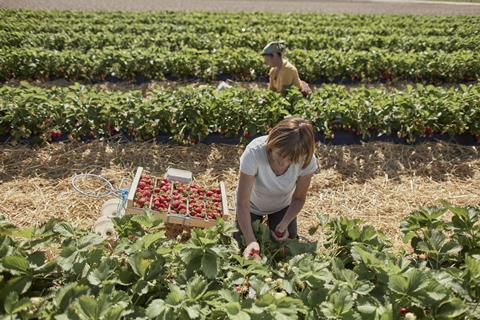
The Seasonal Worker Scheme continues to expose workers to “high risks of exploitation”, campaigners warn, despite the majority reporting having a positive experience on the scheme.
The annual seasonal workers survey results for 2025 have been published, revealing that 94.1% of workers reported a positive or extremely positive experience in the UK.
In addition, 98% expressed a desire to return to the country through the visa route.
However, workers were taking on more debt on average to come to the UK than they were last year, with the percentage of respondents paying between £500 and £900 increasing from 38.9% to 63% in the season.
Most (61.7%) paid these costs from their own savings, with a further 27.5% paying costs through loans from family and friends.
Only a small proportion, 1.8%, raised a formal complaint while on the scheme. But Oliver Fisher, research manager at Focus on Labour Exploitation, said workers have reported they avoid “making formal complaints because they fear losing their job or not being invited back the following year”.
This “fear of reporting” was also raised by Caroline Robinson, director of helpline Worker Support Centre Scotland, who said the data did not match the organisation’s findings.
“Farm work is by its nature high-risk, isolated and conditions are unpredictable, and this seasonal worker visa in particular creates an imbalance of power leading to well-known increased fear of raising issues,” she added. “People working in seasonal agriculture deserve safe and fair work for themselves and others, it is essential that they can speak up when there are concerns.”
The report also showed an increase in people reporting non-payment of wages for time worked, with 87.7% saying they were paid for all their work compared to 96.2% last year.
The most common responses were weather conditions impacting working hours, seasonal downturn, and only being paid for the hours they worked, the report found.
It comes as the 2026 season has also been challenging for growers to support workers in reaching the obligatory 32-hour rule, whereby workers must be paid for 32 hours of work for each week they are in the country, due to poor weather conditions.
One grower told The Grocer that with crops coming to an end earlier than anticipated it had become a “serious issue” and that the business was having to move workers around more than normal.
FLEX has called for workers to be guaranteed an income for the full duration of the visa.
“People should not have to travel halfway across the world and take on a heavy financial burden, only for their stay to be cut short,” said Fisher.
“Defra’s survey of workers on the Seasonal Worker Scheme once again shows how temporary visas create high risks of exploitation for workers,” Fisher added. “Year after year, the survey records concerning outcomes: some workers do not receive a contract in their first language, are not paid for all their work, live in substandard accommodation, have transfer requests ignored or refused without explanation, or do not receive medical treatment for sickness or injuries.”
He added that “structural risks remain unaddressed” and has called for the scheme to be “overhauled in its entirety”.
New training programme
It comes as Worldwide Fruit has launched its Ethical & Environmental Training Programme to strengthen responsible sourcing. It is a four day programme to address an important gap in current approaches to responsible sourcing.
The business said that while many standards and certification schemes assess social and environmental risks separately, the reality on the ground is often very different.
It said its new approahc brings issues together to provide the team with tools and knowledge to assess human rights and environmental impacts as connected issues.









No comments yet