




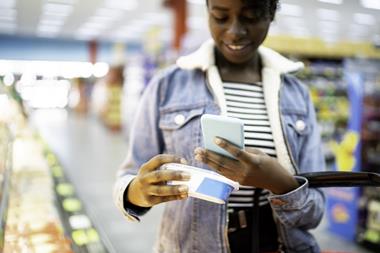
Shoppers using AI-powered smart trolleys – like the ones introduced to Morrisons’ Preston store last month – spend an average 32% more than those that don’t, research from the University of London has found.
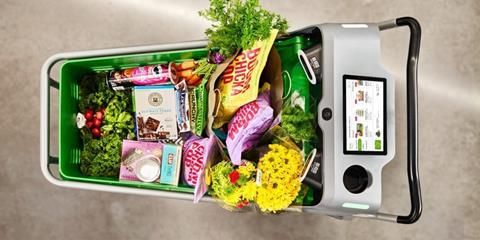
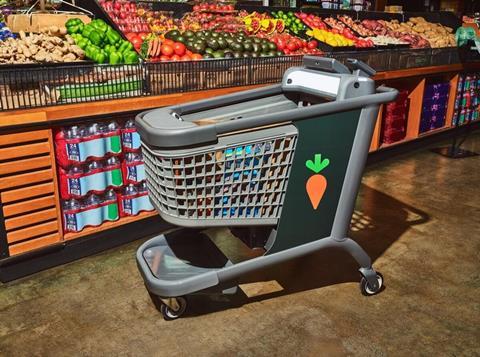
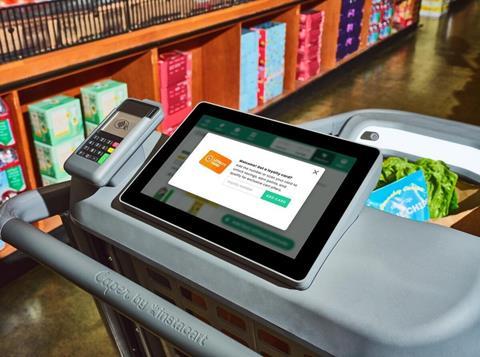
Those opting to shop with the so-called smartcarts – which feature in-built cameras and scales to instantly identify when items are placed in the trolley, and a handlebar screen for tracking purchases and basket total – also bought 25% more items than non-users, and spent 23% more time in store, the study by the university’s Bayes Business School found.
“Retailers are increasingly using technology to enhance the shopping experience for consumers, and our findings suggest there may be significant revenue gains from doing so effectively,” said the study’s lead author Dr Sabrina Gottschalk.
Several retailers have begun trialling smartcarts, among them Morrisons, which is working with US company Instacart and its Caper Carts. Waitrose last year partnered with Israeli company Shopic in a one store trial which has now ended. Shopic’s solution takes the form of a handlebar-like device that shoppers clip on to a regular trolley.
The research is based on a month’s worth of data – some 12,418 shopping sessions – at an unnamed, major German supermarket chain. For each session, information on basket value, basket size, and time spent in-store was recorded. Each shopping session was time-stamped and linked to the day of the week and the time of day when the cart was first activated.
Despite the overall basket size boost among shoppers using the smart trolleys, researchers found that those interacting with the screens more than average – more than 20 interactions – bought more items and spent longer in store, but did not spend more money overall. And when interaction with trolleys reached a particularly high level, spending, as well as basket sizes, began to decrease.
The study suggests these shoppers “may be hedonic shoppers, doing so for the experience rather than out of necessity” and that many shoppers were using the technology “for entertainment or general screen engagement, rather than a genuine interest in the content being displayed” resulting in “unwanted consequences for retailers”.
“Our research shows clear spikes in spending and consumption for those deciding to use in-store digital assistance, suggesting that retailers should offer this technology and entice customers to use it – perhaps with a promise of loyalty points or prizes,” said Dr Yusuf Oc, senior lecturer at Bayes.
“However, figures also suggest that over-reliance on smart trolleys in a single session can actually distract customers and diminish returns, leading to lower spending and basket sizes. One way that supermarkets might tackle this issue is to offer more experiential or limited-time deals to keep customers interested in purchasing as well as trying out new technology,” Oc added.
Several grocers globally are trialling smartcarts, including Coles in Australia; Carrefour and Intermarché in France; Aldi in Austria; Kroger, Whole Foods Market and Albertsons in the US; and Yochananof in Israel.
Providers include Instacart Caper, Veeve and Cust2Mate. Amazon has its own Dash Cart, the latest version of which is rolling out to select Whole Foods stores later this year.






No comments yet