






As economic pressures squeeze D&I budgets, GroceryAid research shows the cost of disengagement is rising. Hear from Allwyn UK, Belvoir Farm and P&G on how embedding inclusion into everyday operations is transforming workplace culture, wellbeing and business performance.
Now more than ever, your staff need support. GroceryAid research reveals that today 38% find it difficult to cope with daily life. That’s affecting how people show up to work – with just one in ten feeling engaged with their job.
“For Diversity and Inclusion in Grocery, these issues are closely connected,” says Nzinga Orgill, senior partnerships manager at D&I in Grocery. “When people don’t feel they belong, it can affect their wellbeing, their confidence to speak up and ability to bring their authentic selves to work.”
This makes inclusion a challenge affecting both wellbeing and business success. Even as economic challenges put greater demand on budgets, the need for D&I remains business-critical. “The need hasn’t shrunk with budgets,” Orgill continues.
“When people don’t feel they belong, it can affect their confidence to speak up and ability to bring their authentic selves to work.”
Nzinga Orgill, senior partnerships manager at D&I in Grocery
No business should have to tackle inclusion on its own. Creating a truly inclusive workplace takes time, understanding and a willingness to learn from others. By sharing experiences, exchanging ideas and working together across industries, businesses can learn from what’s already working, overcome common challenges and make meaningful progress. Joining GroceryAid’s D&I in Grocery Programme is a great starting place.
The experiences of D&I in Grocery Programme Partners, including Belvoir, P&G UK and Allwyn UK, show the value of sharing small changes that strengthen policies and management capability, and can shift the dial for workforces. “There’s lots of positive initiatives that don’t necessarily require a massive investment or budget,” says Orgill. “Borrow the great work that’s already being done by others – it’s about building on the fantastic foundation that many organisations already have.”
The engagement deficit is a huge obstacle for businesses going for growth. They risk both high staff attrition and alienating younger talent that highly prize D&I. Plus, D&I strategies also shape how effectively businesses understand and connect with the diversity of customers and communities they serve.

Embedding inclusion at Allwyn UK
“The ability for people to be themselves at work is incredibly significant,” says Kimberley Neville, senior DE&I manager at lottery specialists Allwyn UK.
“People perform at their best when they feel safe and valued. When colleagues feel comfortable sharing different perspectives and constructively challenging ideas, organisations benefit from higher levels of engagement, innovation and collaboration.”
To provide D&I the priority it needs, Allwyn UK chose to make inclusion a core value reflected in business-wide initiatives ranging from an Inclusive Leadership framework to colleague communities creating opportunities for education, allyship and for employees to speak up. At its heart is an Inclusion Compass framework, designed to embed inclusive thinking into everyday decisions.
“It provides a simple way to make more inclusive choices across projects, products, communications, recruitment and people decisions, ensuring inclusion becomes part of how we work, not something we do separately,” says Neville.
Orgill warns that cutting D&I initiatives can signal to employees that inclusion is no longer important – and prompts questions about whether they can truly be themselves at work. “If D&I drops down the agenda you see people becoming quieter and asking fewer questions,” she says.
“People stop sharing [their opinions] if they don’t believe it’ll make a difference. Suddenly, trust is not there anymore – and engagement disappears. This affects the whole employee lifecycle. When we talk about attracting, developing, progressing and retaining talented people, inclusion is central.”
Better mental health at Belvoir Farm
Belvoir Farm recognises the value of making D&I part of day-to-day business operations, by folding it into Health and Safety processes. “As a small business, we’ve limited resource and budget, so we had to be smart about how to integrate D&I,” says Caroline Knight, hr manager at Belvoir.
“The first major impact was conversations about D&I were now at the forefront of our business and leadership agenda. This is so important to build and cement trust with employees. It’s led to a cultural shift beyond our expectations.”
Orgill insists that mental health and D&I belong in the same conversation. After all, when people feel they don’t belong, they carry that stress into every shift. Inclusive workplace cultures help people feel they belong and that has a positive effect on their mental health and wellbeing.
That’s definitely a key factor at Belvoir. “We ran a programme of education and training to highlight the issue and train managers to provide the right support, including being signposted to external sources of help,” says Knight.
Building trust at Procter & Gamble UK
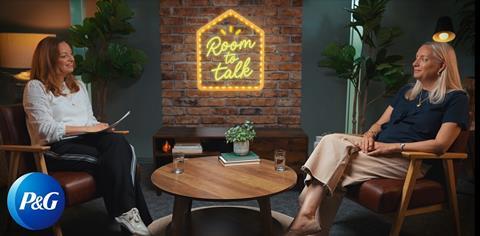
At P&G D&I isn’t solely about policies. It’s providing space for people to speak openly about their challenges – and the expectation they’ll be met with understanding, not judgement.
It brings this to life through the Room to Talk programme, a wellbeing content series harnessing authentic colleague stories to spark conversation, reduce stigma and strengthen workplace culture.
“Psychological safety is one of the most important ingredients of an inclusive workplace,” says Carla Berry, company communications director at P&G.
“Employees are unlikely to contribute fully, ask for help, share ideas or seek support if they fear negative consequences. While organisations often focus on visible aspects of inclusion, psychological safety is what allows inclusion to be experienced in practice.”
Berry adds that when employees see leaders and colleagues speaking openly about their experiences, it shows these conversations are welcome, helping build trust across teams and create stronger connections between colleagues.
“That trust has a direct impact on business performance,” she adds.
Your people are the biggest investment
When companies like Belvoir Farm, Procter & Gamble UK and Allwyn UK share what works, the whole industry can move faster towards true inclusion.
According to Orgill, the key to success is “strengthening inclusive culture and understanding how to centre your people within your organisation. Your people are your biggest investment”. It’s also “being clear about what success looks like and measuring whether good intentions are having an impact. Meaningful D&I metrics can help keep priorities on track”.
D&I brings together every part of your people’s experience – from mental health and wellbeing to the way they show up for work every day. Failing to invest in it could mean failure to grow.
Because ultimately, inclusion isn’t a programme, it’s a business capability.
Get help and support
You can find a D&I Partnership package for your business at www.diversityingrocery.co.uk
GroceryAid is also here to provide free, confidential support for your finances, wellbeing and everyday challenges. If you’re going through tough times, you’re not alone – get the help you’ve earned at: groceryaid.org.uk/get-help/