




It’s great to see more disabled people appearing in advertising. As a disabled entrepreneur who founded an inclusive marketing agency, I’ve spent years encouraging brands to recognise that disabled people are customers too.
But here’s a question for retailers. What happens when the wheelchair user in your advert actually turns up at your shop? Because there’s not much point making us feel welcome in a glossy campaign if we can’t get through the front door.
Research from JCDecaux and The Diversity Standards Collective found that 80% of disabled respondents rarely or never see themselves represented in out-of-home advertising. Meanwhile, 91% said they’d be more likely to consider a brand featuring a disabled person or story.
That’s a powerful argument for representation. But consideration isn’t conversion, and a welcoming advert doesn’t guarantee a welcoming experience.
The obstacle course nobody signed up for
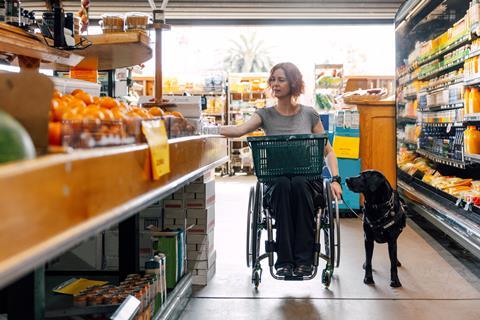
I’ve been driving a power wheelchair since I was three, so my spatial awareness is pretty good. But shopping can still feel like an obstacle course. Sometimes I can’t enter a shop because of one or two steps. Other times there’s a ramp, but only if I find someone to ask.
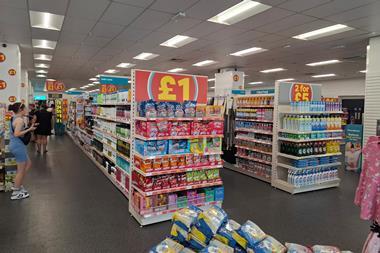
Inside, there’s the mental gymnastics of navigating narrow aisles, displays and products sticking out at precisely the wrong height. I’m there to buy something, not audition for a wheelchair version of The Crystal Maze.
And wheelchairs are only one part of the picture. Deaf and hard-of-hearing shoppers might struggle with communication or announcements. Blind and partially sighted customers may encounter inaccessible signage or payment terminals. Neurodivergent people can face overwhelming noise and lighting, while people with learning disabilities may need clearer information.
Different barriers, same commercial consequence: customers deciding that shopping elsewhere is easier.
According to the latest government figures, 16.7 million people in the UK are disabled. That’s one in four of us. And the economic opportunity is enormous. Research published in 2025 by the University of Bristol and Money Advice Trust estimates the ‘purple pound’, the combined annual income after housing costs of households containing a disabled person, at £446bn.
That isn’t all retail spending, of course. But it demonstrates the scale of a market that businesses routinely underestimate.
Retailers spend fortunes acquiring customers through advertising, targeting and promotions. Yet an inaccessible experience can undermine that investment before the first purchase. Worse still, it can prevent the second, third and 20th purchases.
Customer lifetime value isn’t just a marketing spreadsheet calculation. It’s what happens when someone feels welcome, finds what they need and chooses to return.
From being served to being seen
Physical accessibility matters enormously. But I’ve also learned that staff attitudes can transform an experience.
A helpful colleague who listens, understands what I’m trying to achieve and genuinely tries to find a solution can leave me feeling positive, even when the outcome isn’t perfect.
Conversely, an accessible shop can become somewhere I’d rather avoid if every request feels like an inconvenience. That’s not just disability awareness. It’s good customer service.
The opportunity isn’t simply persuading disabled people to consider your brand. It’s removing the barriers that stop consideration becoming a purchase, and a positive experience becoming a lasting customer relationship.
The best time to involve disabled customers isn’t when the advert is ready for approval. It’s when you’re deciding what experience to create.
So by all means, put more disabled people in your advertising. Make it funny, creative and authentic. Just make sure that when we arrive, the welcome extends beyond the poster.
Because the best inclusive advertising campaign in the world can’t sell me something I can’t reach.
Martyn Sibley is founder of Purple Goat




No comments yet