




Blanket distribution and fixed field teams no longer deliver growth in convenience. As the channel fragments and shoppers become less predictable, brands are shifting to precision-led strategies using EPOS data, flexible deployment models and targeted in-store activation to identify where they can win.
For years, convenience strategy was built on a relatively simple formula: secure distribution, maximise visibility and win as much shelf space as possible.
That model is no longer optimal for brands, retailers or consumers.
The UK convenience sector remains one of grocery’s most important growth channels, worth £47.3bn in 2024 and forecast by IGD to reach £56.2bn by 2030. But beneath those headline numbers, the channel is becoming more fragmented, volatile and operationally complex than ever before.
Retailers are navigating rising wage costs, tighter margins, increased competition and a relentless rise in retail crime. At the same time, shopper behaviour is shifting rapidly. Shopping patterns are becoming more immediate, more localised and far less predictable.
Yet many brands are still approaching convenience using structures and sales models designed for a far more stable market.
It is neither effective nor efficient.
The challenge is no longer simply getting products into stores. It is understanding where the right opportunities exist, which stores genuinely matter for growth and how to support retailers in ways that drive conversion rather than just presence.
In convenience today, relevance matters more than reach.
A fragmented, more demanding market – full of opportunity
Convenience retailers are under enormous pressure on so many fronts.
For many independents and symbol operators, the past few years have been defined by rising operating costs, labour shortages and shrinking margins. Retail crime has become front page news, now estimated to cost convenience retailers £316m annually (source ASC), while many stores are simultaneously trying to adapt to changing shopper expectations around food-to-go, meal solutions, rapid delivery and premium impulse.
Traditional profit drivers are also changing. Tobacco decline continues to reshape category economics, forcing retailers to focus harder on margin mix, basket value and operational efficiency.
At the same time, shoppers themselves are becoming harder to predict.
Research indicates smaller, more frequent shopping trips continue to grow. Hybrid working has altered local shopping patterns. More adult children are living at home longer, changing household purchasing dynamics. Consumers are trading up and down simultaneously – buying premium treats in one category while aggressively seeking value in another.
Today’s shopper might buy a premium iced coffee in the morning, a value frozen meal solution in the evening and order snacks via rapid delivery at the weekend. The convenience shopper is no longer one shopper – creating a growing problem for traditional convenience execution models.
The good news is that while the market has become more challenging, equally there are more opportunities. But only for those that can realise that and adapt accordingly.
Why traditional sales models are becoming inefficient
For years, many brands have measured their convenience success through breadth of coverage: more stores visited, more products listed, more physical presence. However, in today’s market, blanket execution increasingly creates inefficiency rather than growth.
Not every store has the same missions, shopper demographics or sales potential. A city-centre forecourt, suburban independent and university-area store should not receive identical ranging recommendations, activation plans or field support. Yet, too often, they still do.
At the same time, brands themselves are under pressure.
Maintaining dedicated field sales teams for specific product categories, seasonal focuses or tactical campaigns is becoming increasingly expensive – particularly in a market where agility matters more than fixed annual plans.
As a result, many brands face difficult trade-offs:
- Valuable SKUs receive little or no support
- Seasonal opportunities are deprioritised
- New product launches struggle to gain traction
- Store coverage becomes inconsistent
- Tactical activity becomes too costly to deploy at scale
In some cases, brands know there is opportunity in convenience but lack the flexibility or visibility to act on it quickly enough.
That is why the conversation in convenience needs to shift from pure coverage towards smarter prioritisation and expert planning.
Brands are recognising that growth comes not from doing more everywhere, but from identifying where the greatest opportunities exist and deploying resource more intelligently around them.
Smarter convenience growth is becoming more targeted, flexible and insight-led
The brands performing strongest in convenience are increasingly those using data, segmentation and flexible deployment models to make sharper commercial decisions.
Unlike grocery, until relatively recently, brands had limited visibility of true convenience performance beyond broad shipment data. The growing availability of aggregated Epos insight is changing that and is now a vital tool for brands if they don’t want to leave money on the shelf.
Used properly, Epos data can reveal far more than simple sales reporting. It can help brands understand:
- Which store clusters over- or under-index for specific categories
- Where ranging gaps exist
- Which shopping missions are driving growth locally
- Which stores require physical intervention versus digital engagement and vice versa
- Which activations genuinely improve conversion
- Where predictive indicators suggest emerging opportunities or declining performance
That changes the role of field execution entirely.
Instead of static sales cycles and blanket store visits, brands can become far more targeted in how they deploy support. Some stores may require face-to-face selling and merchandising. Others may benefit more from digital retailer engagement or tactical activation around specific events, promotions or seasonal opportunities.
That flexibility matters.
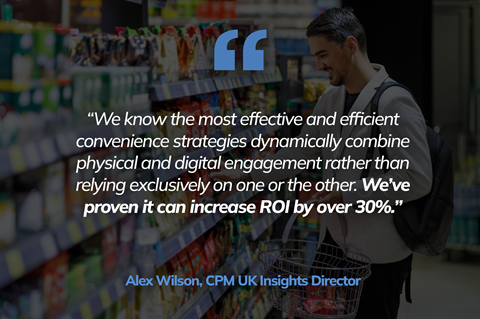
As Alex Wilson, UK insights director from CPM says: “The opportunity now lies in working smarter, not harder – using EPOS, location and retailer data together to identify where the real growth opportunities are, then tailoring support to fit each store’s needs. That could mean physical intervention, digital engagement, or a blended approach, but the goal is the same: to help brands be more targeted, more effective and ultimately more valuable to retailers.”
More agile syndicated or shared-service models allow brands to access experienced field capability in shorter, more tactical bursts, reducing cost while increasing impact.
That is particularly valuable for:
- NPD launches
- Seasonal campaigns
- Tactical promotional periods
- Smaller or challenger brands
- Regional opportunities
- Categories where store relevance varies significantly
The ability to scale support up or down quickly is becoming a major competitive advantage.
Steph Poole, category & shopper manager of Glanbia says, “Blending physical and digital engagement through a shared resource model with CPM has enabled us to deliver far greater efficiency and flexibility. In-store support can be targeted where it drives the most impact, while digital engagement extends coverage and keeps retailers connected between visits and during key trading periods. We’ve seen a 29% reduction of cost per gain vs purely standalone tactical callage options.”
Importantly, this is not simply about efficiency – it’s all about effectiveness.
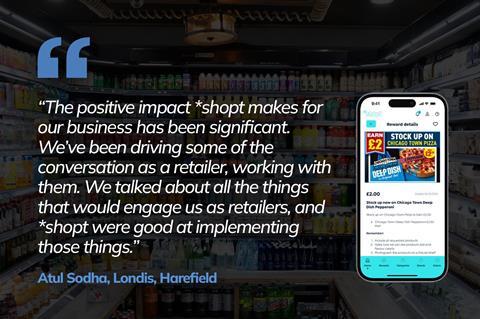
As discussions at the recent National Convenience Show and retailer research indicate, convenience retailers increasingly want supplier relationships that help them make better decisions and save time while driving sales relevant to their shopper base. Generic sales pitches and standardised range recommendations are becoming less persuasive in a market defined by local variation. Bespoke, easy to access support and information, accessed how and when they want is what is needed.
The next battleground is conversion, not just distribution
Another major shift underway is the growing importance of in-store conversion.
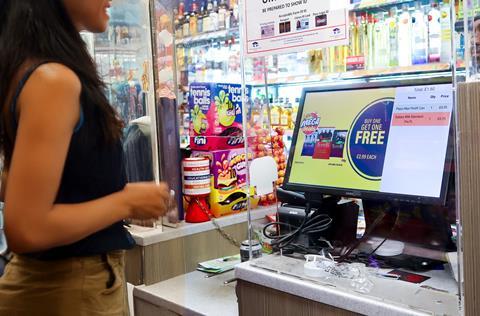
Winning distribution alone is no longer enough if products fail to stand out in increasingly crowded convenience environments. As shopping journeys become faster and more impulse-led, brands are having to think more carefully about how they influence decision-making at fixture level.
That is driving greater focus on:
- In-store theatre
- Tactical activations
- Retail media screens
- Mission-linked merchandising
- Promotional integration
- Seasonal visibility
- Cross-category disruption
The brands gaining momentum are increasingly those who use an integrated push/pull strategy – able to connect all elements of the shopper journey from insight and targeting through to physical conversion in store.
That’s because, in convenience, the final purchase decision is often made on impulse within seconds.
Precision is becoming the new growth driver
Convenience remains one of the biggest untapped growth opportunities in UK grocery. But it is also becoming one of the least suited to one-size-fits-all thinking.
Volatility is unlikely to disappear. Shopper fragmentation will continue. Retailers will remain under pressure. Brands themselves will continue to face increasing scrutiny around cost, ROI and deployment efficiency.
The winners will not necessarily be the brands with the largest field teams or the widest distribution: they will be the brands that understand:
- Where they are performing today
- Where genuine incremental opportunity exists
- Which stores matter most
- How to engage retailers more intelligently
- How to adapt quickly as the market changes
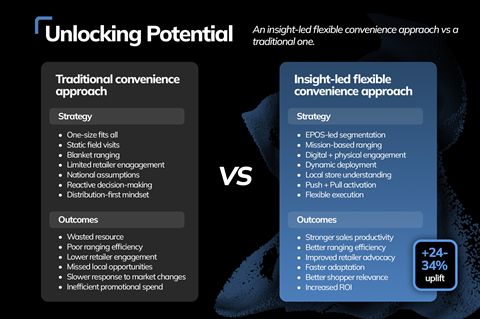
The future of convenience growth lies in moving from blanket execution towards precision-led activation – founded on insight, delivering flexibility through targeted engagement and smarter deployment to unlock stronger sales productivity and retailer value.
In convenience today, the opportunity is no longer simply about being present everywhere.
It is about knowing where you can win and acting on it faster and more efficiently than everyone else.
To learn more about how to grow your brands in Convenience and more information on CPM visit: https://www.cpm-int.com/en-gb/how-to-grow-your-brand-in-uk-convenience-channel