




It’s easy to point out what’s wrong with an established way of doing things. It’s more difficult to build a viable alternative.
That may ultimately be the lesson to take from what was billed as ‘the UK’s most sustainable neighbourhood’ when the plans were unveiled in 2024.
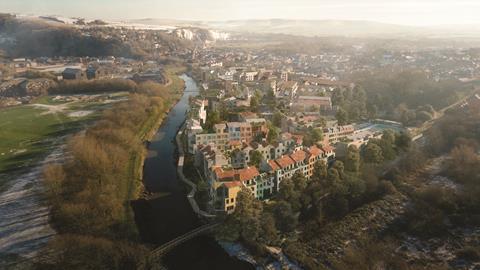
The ‘walkable neighbourhood’ of 685 timber-built homes in Lewes, East Sussex, promised a “culture of food growing” that would “provide residents and the wider community with healthy and affordable access to food” from local producers, according to the Food Foundation.
The lobbying charity partnered with developer Human Nature to create what it described as a “visionary new food and health strategy”, hailing an opportunity to “build a positive food culture into the fabric of an entire neighbourhood”. It was even suggested the development, named the Phoenix Project, would “provide questions for supermarkets and the food sector”.
At the time, Human Nature said there would be “spades in the ground” by summer 2025, with the first homes available in 2027. Two years on, the most pressing question seems to be whether the scheme will happen at all.
Local, affordable food
As reported by The Grocer this week, full planning requirements remain unmet, and Lewes District Council has stepped in to buy the land for £9.5m as Human Nature continues to grapple with soaring costs – about half what the developer paid for it in 2021.
Council leader Zoe Nicholson says the acquisition will ensure the project can progress so it “delivers what our residents have been promised – affordable homes, modern health facilities, and the vital flood defences our town needs”. Human Nature will lease the land from the council, with an 18‑month buyback option, while it works to secure the final legal planning requirements covering affordable housing, healthcare facilities, bus provision and flood defences.
Human Nature CEO Jonathan Smales expects full planning approval to take about another six months, construction to begin this autumn, and the first homes to be available in 2032.
It will still be “far and away the UK’s most sustainable urban neighbourhood”, he says.
“Food is such a critical part of the whole piece. We’ve already begun the process, with regenerative farming at different scales in the immediate area, so that we’ve got a local approved supply chain of high-quality, sustainable food.”
Naturally it’s not quite ready to go yet, but he insists it’s “not far off”.
Food supply
The Food Foundation, for its part, says it has not been in touch with Human Nature for a while, with progress stalled by planning delays.
Human Nature’s preparation has included creating a “food map”, working with a consultant specialising in integrating agriculture with urban environments, drawing lessons from history. Smales points to the amount of food grown in Paris during the French Revolution as an example. “It turns out an astonishing amount,” he says.
That may be so. But as futurist Nikolas Badminton told The Grocer back in 2024: “The growth of cities, culture, GDP and countries comes from industrial food supply. It kickstarted about 10,000 years ago and it’s not going anywhere.”
The Phoenix Project initially boasted strong backing from the posh but alternative folk of Lewes, with 67.5% of respondents expressing support. But patience is wearing thin.
“With the existing high street dying and many businesses closing recently and soon to close, not to mention the weekday-only tourist information office, I think Lewes District Council need to get their act together addressing these issues first before spending money on a white elephant fairytale site,” wrote one on Facebook.
Time will tell.
The UK’s food system is deeply flawed. But a more sustainable future lies in improving it, not reinventing it or harking back to a world before it existed.


No comments yet