





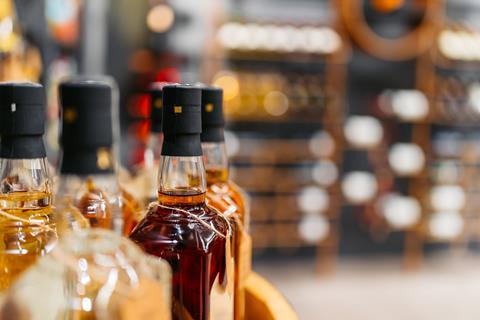
There’s a lot of very good alcohol sitting in warehouses right now. Five of the industry’s biggest producers are holding a record $22bn worth of premium and luxury aged spirits between them, according to the FT.
Why? Because many hugely overestimated how long the Covid-era drinking boom would last. Demand has dropped sharply, largely thanks to rising living costs squeezing disposable incomes.
The natural instinct in a downturn is to slash prices to boost sales – there’s already talk of a looming price war. And I get it. Aged stock is an investment. It costs money to store and represents unrealised capital. If a company needs cash, it might have little choice but to shift that stock however it can.
But discounting should be the last resort, because any producer that cuts prices today risks damaging the long-term equity of its brands. Imagine seeing Louis XIII Cognac on sale – it would immediately lose its cachet. Clawing that back is a long and expensive process.
Burberry, though in a different luxury category, offers the perfect example of this. In the early 2000s, it plastered its signature check on a wave of lower-priced products just as discounting and counterfeits were taking off. The brand became completely overexposed and lost its exclusivity. It has taken decades to undo that damage.
On the other hand, holding on to aged stock may actually create a future advantage. Economic cycles do just that: they cycle. And according to IWSR, previous downturns have only ever paused, not stopped, the longer-term trend of premiumisation in alcohol.
Even now, consumers are starting to drink less but choosing higher-quality options. So, while it may take a few years, demand will return and producers who resist discounting could end up sitting on a gold mine.
Why premium deserves the price
The trick is to start making that aged stock desirable now. You can’t just put it on a shelf and hope it flies. Luxury alcohol is all about what it says about you: it’s a badge of taste and discernment. Brands have to communicate why that bottle deserves the price it commands.
So, tell compelling stories, release limited editions, innovate. In 2009, I helped reposition Glenfiddich. It was the world’s number one single malt, but it no longer felt special, especially at the luxury end. The brand dusted itself off and refocused on its pioneering origins, launching limited editions like Snow Phoenix and the Experimental Series. And so it became relevant and valued once again.
To any brand sitting on aged stock today, I’d say this: don’t flog it off cheap. Hold your nerve, find your relevance and keep innovating. Because when demand for luxury alcohol returns, your barrels will be full of liquid gold.
Simon Massey is founder of Neverland






No comments yet