





Retail media remains the runaway darling of global advertising. UK investment grew 17.9% year on year in Q1 2026. Behemoths like Dunnhumby continue to innovate, bringing together some of the UK’s largest retailers in a pilot earlier this summer. And Nectar360 now holds 22 billion rows of Sainsbury’s customer data – a glimpse into the channel’s sheer strength.
Yet retail media still hasn’t quite reached its full potential.
Until now, fmcg brands have dominated the space. The logic is clear: those advertising with Tesco Media, for instance, want shoppers to spot their ad and snap up their product in store. But what about ‘non-endemic’ brands – those that don’t sell through a particular retailer, but can still gain from its media real estate?
Think about it: is there a better place to advertise Toy Story 5 tickets than to a Tesco shopper browsing children’s birthday cakes? Or for an airline to push affordable flights than to a Boots customer searching for self-tanning products?
More marketers are recognising retail media’s ability to reach consumers at moments of high intent. Grocers, brands and customers all stand to benefit – if advertisers seize those moments without sacrificing relevance.
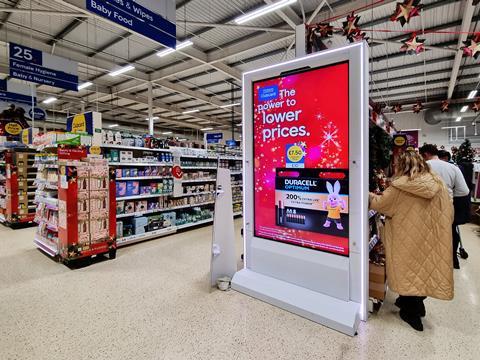
More than three-quarters (78%) of Tesco shoppers say non-endemic ads make sense in a grocery environment. Seven in 10 would be receptive to streaming-service advertising in the snack aisle and 59% to kitchenware ads alongside cooking ingredients.
But the research carries an important caveat: customers are only receptive when there is an obvious connection to what they are doing or buying.
The opportunity is not just to sell more inventory, and not every advertiser belongs in every environment. But thoughtful investment based on what brands and ads are relevant and useful can enhance shopping experiences.
Retailers must also build measurement for the non-endemic advertisers they don’t directly sell. Travel, banking and automotive ads cannot be judged like fmcg campaigns. Grocers need to show value beyond what went into the basket – otherwise, proving effectiveness will be impossible.
Turning shopping signals into brand opportunities
While rewarding, non-endemic brands must explore the retail media opportunity carefully and avoid buying splashy inventory for reach alone. The strongest opportunities will not always be obvious category matches and the real prize is uncovering useful clues about what customers might need next. Buying new garden furniture in a DIY and home improvement store might signal that someone is hosting friends, has bought a new home, is planning a staycation or even looking for new home insurance – opening up far wider windows for relevant advertising.
Meanwhile, fiercer competition for retail media space means fmcg brands need to be much clearer about why an investment matters. The best retail media inventory is finite. As more advertisers enter the market, fmcg brands may find themselves competing with a much wider set of businesses for the most valuable audiences, moments and placements.
Rather than buying up in-store inventory by default, they need to clearly understand what each placement delivers to their brand. They must scrutinise ROI and incrementality, and press retailers for deeper insights into purchase behaviour, missions and occasions.
The non-endemic boom also delivers a rare switcheroo: fmcg brands can instead advertise using audience data from alternative media owners like Uber, Trainline or the Lloyds banking app. Why not display deodorant ads to summer passengers heading to Cornwall, for instance?
The lesson, either way, is versatility. Brands that plan around their target audience can always find new partners through which to reach them, while retail media owners can always attract advertisers beyond the goods they list.
The opportunity and the obligation
Ultimately, non-fmcg investment is good news for retail media owners and the channel altogether. It brings new money into the ecosystem and gives retailers a reason to keep investing in their networks. But it also transforms the market.
For media owners, chasing extra revenue too aggressively could damage the customer experience. For fmcg brands, retail media becomes a more competitive space. And for non-fmcg advertisers, simply being able to buy retail media does not mean they should. They still need a credible reason to be there.
Retail media is the opportunity – but relevance remains the requisite.
Deni Petrova is VP of commerce at WPP Media






No comments yet