




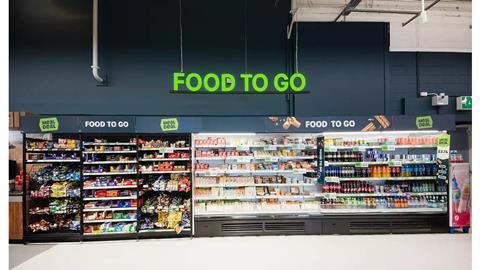
All ham sandwiches sold by the major supermarkets could cause cancer. That was the shocking, but not really surprising finding of a recent investigation by The Grocer, which looked at the food to go options available at the traditional big four, Waitrose and Ocado.
Every single ham sandwich was found to contain nitrates that have been linked to some types of cancer. It shows how despite the efforts being made to move away from the additive in chilled meat ranges, prepared and ready meals remain a significant blind spot for the supermarkets.
With food and drink one of the most tightly regulated sectors in the UK, it seems almost impossible that supermarkets are still selling products made with ingredients that some food safety experts say have been proven to cause cancer. The reality, as in most cases, is a little more complicated.
It raises the question: how can supermarkets still be selling cancer-causing sandwiches?
Safe or not safe, that is the question
Although the World Health Organization has classified nitrites being used in processed meats as potentially carcinogenic, the Food Standards Agency insists nitrites are safe to eat in acceptable levels, which it has sets at less than 300 milligrams per kg of body weight.
The British Meat Processors Association, which represents the majority of the UK’s commercial meat processors, says the risk from nitrites is low. Despite this, its members have worked hard to reduce nitrate levels in their products to well below the FSA limit and continue to drive those levels down.
Rather than pushing for an outright a ban, the FSA’s preferred approach has been to advise consumers to avoid eating too much processed meat overall, much as public health authorities have done with other products linked to cancer, such as cigarettes.
Against this regulatory vacuum, supermarkets can argue they are caught between a rock and a hard place: navigating competing health claims on one hand, with the need to provide staple products for reasonable prices on the other.
Nitrite-free products are typically more expensive to produce than products containing the preservative. The supply chains behind the meat used in many pre-packaged goods are complex, which is why nitrate-free ranges are often offered as premium additions to core ranges.
Until the FSA decides take more decisive action, it’s unlikely we’ll see nitrites fully removed from UK shelves.
Public opinion is shifting
While supermarkets can sell products containing nitrites, the real question is whether they should.
Public perception could soon force their hands. Nearly half (46%) of bacon and ham eaters polled by The Grocer and The Harris Poll in June called for a ban on nitrates. In addition, 55% said there should be health labels on nitrate containing products.
Nitrites were again in the spotlight last week, as part of a BBC Panorama investigation into why cancer rates in the under-50s are increasing.
Pollution, obesity and more general UPFs were all linked as possible causes, but the renowned Professor Chris Elliott was adamant of the “very strong link” between consumption of nitrites through processed meat and bowel cancer. He was also highly critical of an FSA study last year that claimed to have found “no evidence” that removing nitrites from processed meat products reduces the risk of cancers.
As scrutiny increases, expect public backlash to as well.
Shoppers are demanding nitrite-free options. Supermarkets are showing that it is in their power to provide them with those following a recent flurry of nitrite-free bacon products and ranges banning unhealthy additives. These are usually accompanied by self-lauding press releases. The bigger PR win would be to go all the way and ban nitrites outright.








No comments yet