



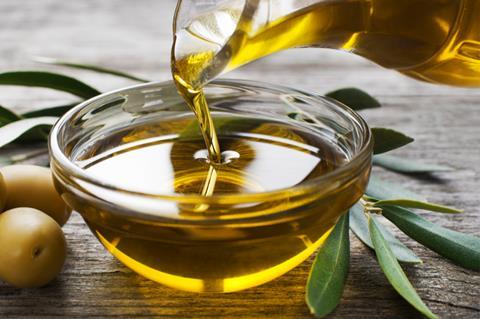
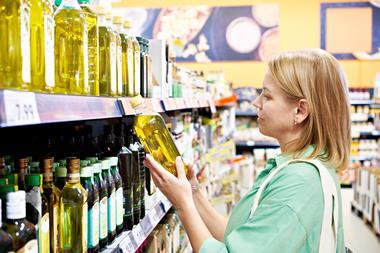
Walk into any independent food shop, scroll through an influencer’s kitchen tour, or check the shelves of big grocers and there they are – soft-sided, nozzle-topped, the whole thing quietly implying that olive oil has been reinvented.
The olive oil squeeze bottle has exploded fast, and many have been quick to embrace it But we need to be honest about the impact different packaging has on preserving the quality and nutritional value of a good extra virgin olive oil.
The first thing to tackle is how we got here. Graza is the VC-backed brand that went from zero to $48m in revenue in a handful of years by making the case that playfully packaged olive oil could be fun, approachable, and format-forward.
It was right, and the market responded. Every brand watching from the sidelines immediately began offering squeeze bottles. Within a year, a brand-defining idea had become a way to reinvigorate commodity oil through packaging.
Graza didn’t invent the format – it took something that worked in a professional kitchen and brought it to a retail shelf. But borrowing from a context with completely different conditions is where the quality preservation question starts.
Why the squeeze bottle filled a gap glass left open
Glass was already under pressure before the squeeze bottle arrived. The UK’s packaging extended producer responsibility scheme, introduced in 2025, calculates fees by weight – which hits glass disproportionately hard compared with plastic or metal.
Transport fragility means glass also requires significantly more protective secondary packaging. These costs don’t always show up on the label, but they shape the decisions businesses make. When a format came along that was lighter, cost-effective, easier to ship, and had already been proven to work commercially, the decision wasn’t difficult.
A genuinely good extra virgin olive oil is a living thing. It has flavour, aroma and health properties – heat, air, light, and time are its enemies. Every decision in the supply chain should work to protect it from those factors until it reaches the customer.
Polyphenols are what gives extra virgin olive oil many of its distinctive characteristics – the pepper, the bitterness. They’re also behind most of the serious health research into why good olive oil matters, including oleocanthal, which works in a similar way to ibuprofen at a biochemical level.
Poor packaging degrades these compounds quicker, along with the fresh aromas and flavours that tell you the oil is worth the price.
Not all plastic is the same
‘Plastic’ gets treated as a single category – bad, permeable, environmentally suspect. But the materials science matters.
Standard PET – the plastic used in most olive oil squeeze bottles – is a single-layer, gas-permeable polymer. Oxygen migrates in through the walls; volatile aromatic compounds migrate out.
Studies show losses of more than 50% of total phenolic content within three to six months in standard PET versus dark glass, alongside a 25% increase in peroxide values – a measure of oxidation. For an oil that might sit in a warehouse and then on a shelf for months before it reaches you, that’s a problem.
This has led much of the food & drink industry to move to flexible, multi-layer pouches – the kind used in babyfood and wine. The difference between standard mono-layer PET and a properly engineered multi-layer pouch is intentional: it’s a far better format for preserving nutrition and flavour.
While dark glass are still the benchmark, independent research has found comparable shelf life between multi-layer bag-in-box formats and dark glass bottles.
Good oil deserves good packaging
There’s a difference between packaging that makes a product more convenient or commercial and packaging that actually preserves it. The olive oil squeeze bottle trend has largely been the former dressed up as the latter.
Graza’s success, and the wave of imitations it has spawned, prove the format works commercially. That it has done so despite shoppers consistently saying they want less plastic is worth noting.
But commercial success and quality stewardship are not the same thing. If a brand is positioning itself around quality, then the packaging it chooses should do everything in its power to support and protect that. For most squeeze bottle formats currently on shelf, it isn’t.
Sarah Vachon is founder of Citizens of Soil
No comments yet