






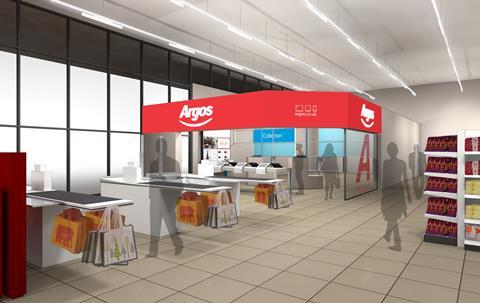
In its heyday in the 1980s and 1990s, Argos was a cultural and commercial phenomenon, with the model behind its bi-annual ‘Book of Dream’s catalogues in many ways a precursor to modern online retail. And even though the catalogues were scrapped in 2020 it Argos is still the UK’s fifth most popular retail brand [YouGov].
That’s partly sentimental, but consumers are also rational. In 2015 it launched a nationwide same-day delivery service, and with further development by Sainsbury’s since its £1.4bn acquisition in 2016, the omnichannel combination of in-store concession, click & collect and nationwide same-day delivery is backed up by impressive execution. Indeed Argos ranked higher than any other retailer in The Grocer/Retail Week Digital Capability Index, published earlier this year.
But for various reasons it’s never quite worked. Most obvious is the competition. At its peak the Argos catalogue ran to 1,750-odd pages and was sent to 20 million households. If Amazon printed a catalogue of its 600 million-plus products today, it would run to 30 million pages long [Red Stag Fulfilment].
After Argos sales boomed in Covid, and to a lesser extent during the Royal Mail strikes of late 2022, GM has also been worse impacted by economic, geopolitical and supply chain disruption than grocery. The result: after tailing off sales have flatlined at around £4bn and it’s been heavily (and increasingly) loss making.
So it will be fascinating to see what grocery retail veterans Richard Pennycook and Trevor Strain do to ‘get set go Argos’. They reason it has lacked the singular focus needed to compete in online retail. At the same time, the standalone business will retain close ties as a proprietary in-store concession and Nectar partner.
Even more intriguing is what next for JS. Argos has been a millstone, dragging on the share price (at least before the ultimately doomed JD.com bid last September) despite the hugely impressive performance of its Next Level Sainsbury’s grocery strategy.
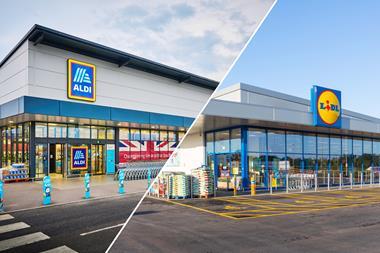
Will Sainsbury’s go back for Asda? Not until 2029 it won’t (based on the ruling of the Competition & Markets Authority). The similarly loss-making Morrisons is a possibility, however: merchant bankers have been desperately trying to cook up a deal since well before Christmas. And Sainsbury’s now has more headspace to establish the CMA’s position amid the continued growth of Aldi and Lidl. Or is this the moment when Sainsbury’s reconsiders a return to wholesale, and explores a commercial partnership with Bestway (whose 5% stake has risen 50% in value)?
Six years in to the job, Sainsbury’s CEO Simon Roberts is young (at 55), energetic and hungry enough still to have the appetite for a major acquisition. On the other hand, he may just decide not to bite off more than he can chew, letting rivals struggle on and in the knowledge that cheap cuts may yet land on his plate.





No comments yet