





UK grocery planning was built for a period when disruption was the exception. Now, the exception is starting to look more like the rule. Weather shocks, trade shifts and commodity price swings increasingly overlap, yet many planning teams are still set up to understand what has already happened rather than anticipate what might come next.
This year offers a clear example of how quickly trading conditions can change. In June, the UK government suspended tariffs on a range of food and agricultural imports, including some fruits, pasta and tuna, in response to rising household costs linked to the conflict in the Middle East.
At the same time, the hottest June on record brought drought conditions that forced many farmers to bring harvests forward, according to AHDB. WTW’s July research on food and beverage risk points to the wider challenge of businesses needing to understand how changes across trade, supply, and weather interact rather than plan for each in isolation.
The nature of disruption has changed markedly over the past five years, Planning teams used to deal with one major event at a time. Now weather, currency and geopolitics can move together and a single retailer can see all three hit the same category in the same month.
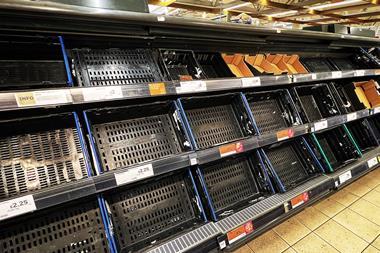
For grocers, the consequences extend beyond changes in supply. After heatwaves contributed to refrigeration failures and empty chilled aisles, Waitrose is among the supermarkets rolling out systems designed to withstand temperatures of up to 48°C. It shows how conditions once treated as exceptional are increasingly shaping everyday operational decisions.
Much of a grocery planning team’s day is still spent responding to problems after the commercial impact is being felt. This is especially true for fresh food, where products spoil quickly and shifts in demand can easily lead to empty shelves or waste.
Heatwave pressures on the dairy industry are an example. AHDB research suggests severe heat stress can reduce daily milk production by up to 20%. This adds another supply constraint for grocery planners to manage. When pressures like these translate into gaps on shelves, the commercial impact can be significant. Retail Economics estimates that stock gaps put £2.1bn in UK grocery sales at risk each year, as shoppers switch stores, delay purchases or buy alternatives.
One of the biggest planning challenges is the gap between what is actually on store shelves and what the planning system shows. Shrink, damages and short deliveries change stock positions constantly, but that information often doesn’t reach planners until the decision window has closed.
How much resilience can you buy?
More stock or suppliers can provide protection against disruption, but retailers cannot buffer themselves against every risk. When pressures overlap, the ability to understand what has changed and adjust quickly becomes more important.
The European grain harvest shows why speed matters, as Coceral estimates the EU and UK are heading for their smallest grain harvest since 2018, representing an estimated €2bn in lost production. For grocery planners, a shortfall on that scale raises immediate questions about availability, sourcing and where the greatest exposure sits.
Retailers cannot stockpile their way out of every disruption. What matters is being able to model a shortfall like this quickly, understand where the business is exposed and adjust before the impact reaches the shelf.
Investment in planning has traditionally competed with more immediate priorities. But constant intervention carries its own costs, from emergency replenishment and waste to lost sales and time spent correcting plans. As disruption becomes more frequent, those costs become harder to dismiss as exceptional.
The investment case has strengthened because reacting constantly is no longer the cheap option. Every emergency order or manual correction takes time and adds cost. That is why retailers are starting to look at planning as a productivity question as well as protection against disruption.
Retailers cannot predict the next drought, tariff change or commodity shock, but they can control how quickly the business understands the impact and responds. As disruption becomes part of everyday grocery trading, that ability counts for more.
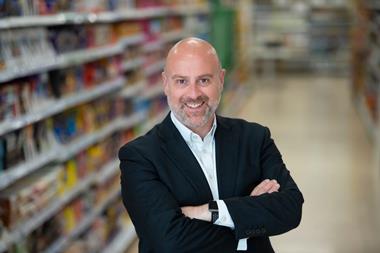
Laurence Brenig-Jones is vice-president of product strategy at Relex Solutions


No comments yet