





Retailers are being urged to review their online checkout processes before buy now, pay later (BNPL) rules take effect next month or risk regulatory action.
The regulation comes into force on 15 July, bringing deferred payment products under full consumer credit rules for the first time.
It aims to ensure shoppers know exactly what they’re signing up to and whether they can afford it, with fairer and faster access to refunds and the right to complain to the Financial Ombudsman.
It means retailers using third-party lenders will be responsible for how BNPL products are presented, promoted, and explained to consumers.
This includes offering clearer pre-contract information, carrying out affordability checks, and supporting customers through a regulated complaints process, including access to the Financial Ombudsman Service.
If a retailer’s website, checkout process, advertising or sales materials fail to meet the new standards, the Financial Conduct Authority (FCA) has a range of powers it can use.
These include ordering promotions to be withdrawn or amended, requiring changes to sales processes and customer communications, and taking enforcement action where financial promotion rules have been breached, including fines and imprisonment.
Retailers could also face complaints, customer redress claims and legal challenges if BNPL terms are not presented clearly or customers are misled about the nature of the credit agreement.
The FCA will have the powers to enforce wider consumer protection legislation where terms are considered unfair or insufficiently transparent.
Phillip Garlick, CEO of retail compliance firm Product Partnerships, said retailers should already be reviewing their finance arrangements, particularly where retailers have become used to near-instant finance approvals.
“The risk is not simply the rule change itself,” he said. “The real danger is finding out too late that a finance journey, checkout process or customer communication no longer meets the standards expected under the new regime.”
Garlick added many retailers were underestimating how visible those changes could become to customers.
“Affordability checks are likely to become more noticeable during the purchase process,” he said. “Retailers should be testing those journeys now rather than waiting until the deadline arrives.”
For retailers, the immediate priority is understanding where they were exposed, he added.
Retailers should know whether their finance provider has secured FCA permissions or entered the temporary permissions regime, whether their checkout wording and promotional messaging needs updating, and ensure that complaints involving BNPL agreements will be handled correctly after 15 July.
Store colleagues and customer service teams must also understand the new process, according to Product Partnerships.
The changes affect grocery retail, convenience stores, online delivery and higher-ticket categories such as electricals, homeware and garden products. Sainsbury’s offers BNPL provider Klarna through Argos, Habitat and Tu, while consumers can also shop at Asda and Tesco through the Klarna app.
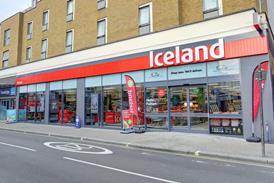
Iceland also works with Fair For You on its Iceland Food Club scheme. However, this differs to BNPL as it is a loan that consumers apply for ahead of shopping, rather than at the checkout. It comes in the form of a pre-paid card to be spent in Iceland and Food Warehouse stores or online. Repayments begin after the loan has been approved, regardless of when a consumer starts to spend the credit. Fair For You said its model was already subject to regulation and was not impacted by the new BNPL rules.









No comments yet