



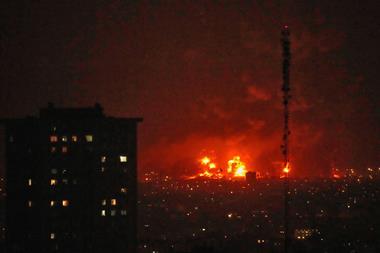
The Competition & Markets Authority has warned it will act “without hesitation” to use its full range of powers if it finds evidence of price gouging in the wake of the ongoing war in Iran.
In a letter responding to Chancellor Rachel Reeves, CMA CEO Sarah Cardell said the situation in the Middle East was driving up wholesale prices for core commodities and would inevitably put upward pressure on prices across a range of goods and service.
But Cardell added it was “vital” the conflict was not exploited, including through price increases that did not reflect genuine cost pressures.
Reeves, who met with petrol forecourt operators last week, wrote to the CMA on 11 March to emphasise the importance of ensuring customers were not hit by undue price hikes and urged the regulator to act strongly against unacceptable conduct.
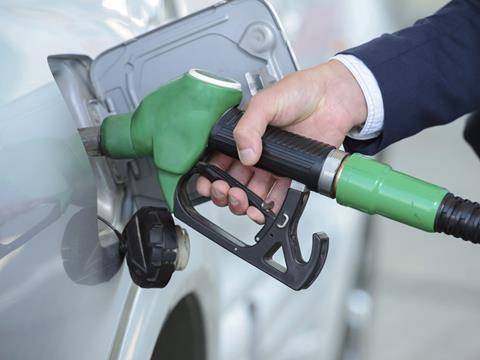
Cardell told Reeves in her response that the CMA was putting a particular focus on heating oil and fuel prices, with a review underway into heating oil suppliers and intermediaries to obtain further evidence and assess whether their practices raised consumer protection concerns.
The regulator also has statutory monitoring in place for road fuel, which could rapidly identify any signs petrol stations were exploiting the current volatility. The monitoring – including the ability to identify ‘rocket and feather’ pricing – would be enhanced by the data becoming available under the Fuel Finder scheme, she added.
“As you note, the situation in the Middle East will put pressure on prices across the economy, including essential consumer goods and services, and critical inputs for business,” Cardell wrote.
“It’s especially important in these circumstances that price rises reflect genuine cost increases; that timely, accurate and transparent pricing information is available; and that suppliers treat customers fairly.
“With this in mind, we will work with relevant officials and regulators to identify and monitor sectors likely to be affected by price rises and disruption – including agricultural inputs such as fertiliser and red diesel, groceries and travel – so that both the CMA and wider government can respond swiftly to any evidence of harmful practices across the economy.”




No comments yet