

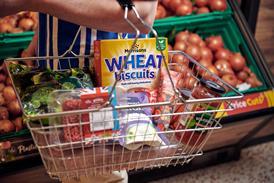





Chancellor Rachel Reeves has warned forecourt retailers against exploiting the Middle East crisis to drive up fuel prices.
Speaking in the House of Commons yesterday, Reeves said she had asked the Competition & Markets Authority (CMA) to be “vigilant” over essential costs including road fuel and heating oil.
“Let me be absolutely clear,” she said. “I will not tolerate any company exploiting the current crisis to make excess profits at consumers’ expense.”
She said she was also pressing ahead with plans to increase pump price transparency and competition across the forecourt sector under the new Fuel Finder scheme, which officially launched last month. Reeves said she had now instructed officials to accelerate its integration with map apps.
With almost 90% of retailers now registered, the scheme requires retailers to report fuel price changes within 30 minutes. Those who fail to submit accurate data could be subject to fines.
“This week, I am meeting with petrol forecourt operators and I will not hesitate to call out retailers who fail to provide data to Fuel Finder,” she said. “I am clear that the best way to keep prices at the pump low is rapid de-escalation, and I will continue to monitor prices as the situation develops.”
The CMA said earlier this year that until May 2026 its focus will be on supporting businesses to comply with the new regime, rather than enforcement action. Once established, enforcement will focus on conduct that could undermine Fuel Finder or harm competition.
Reeves’ warning comes as the forecourt sector has been subject to unstable changes in the wholesale cost for fuel amid the war in Iran.
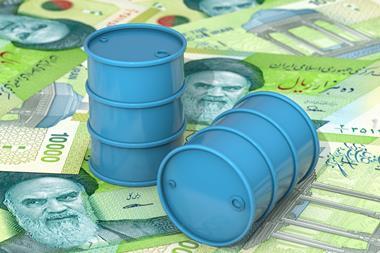
Yesterday (9 March), the cost of crude oil exceeded $100 a barrel for the first time since 2022. According to analysis by the Energy & Climate Intelligence Unit, that could have seen petrol prices hit £1.50 a litre.
Industry sources have confirmed to The Grocer this has now dropped to $87 a barrel as US president Donald Trump said the war was “very complete, pretty much”. However this is still higher than the roughly $50 to $60 cost for a barrel of crude oil before the Middle East conflict began, according to Trading Economics.
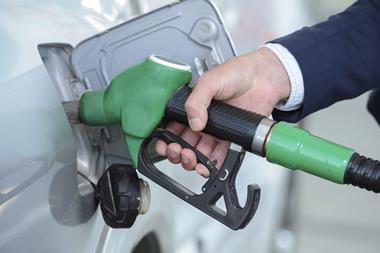
Petrol and diesel pump prices have been gradually rising. According to the AA, petrol has risen 3.7% to 137.8p per litre, while diesel has risen by 6.2% to 151.2p per litre since the war in Iran began.
These figures however were still “way down on the worst suffered in the early part of the Ukraine war”, said AA spokesman Luke Bosdet, with petrol approximately down 40p a litre from the peak in 2022, while diesel is 20p a litre lower.
“It’s bad but nowhere near the worst,” Bosdet told The Grocer. “And it will take some time for any surge to find its way to the pump, if it happens. Nothing is guaranteed in such a volatile market.”
He added: ”Lower oil prices will reduce the cost of petrol and diesel but as to how quickly that shows at the pump is down to the retailers. The ‘rocket and feather’ effect has long been a gripe of the motorist. This time, however, the CMA is breathing down their neck.”





1 Readers' comment