




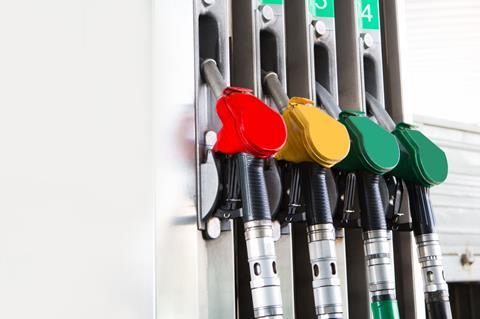
Incidents of abuse towards forecourt retailers has more than doubled since the Iran war began pushing up petrol and diesel prices, new data has found.
Vars Technology, which supplies retailers with facial‑recognition systems, reported a 115% rise in aggressive and antisocial behaviour towards staff in the first two weeks of March compared with the last two weeks of February.
Levels of aggressive behaviour across non-forecourt retail sites using Vars facial-recognition technology did not see a notable increase, it said.
Previously, incidents of aggressive behaviour were typically linked to failed theft attempts after individuals were identified and challenged.
The majority of reports in March, however, were standalone incidents of aggressive or threatening behaviour towards petrol station staff.
Bristol, Newcastle and Leeds saw the highest increases in incidents, all seeing a more than 150% increase.
“The rise in fuel prices has had a far bigger impact on the way people treat forecourt staff than it has on levels of fuel theft, which has only risen a small percentage on the sites we work with,” said Vars Technology director John Garnett.
“Anyone working in the industry understands that forecourt operators aren’t profiteering or price gouging and instead are doing their best to minimise price rises for customers.
“However, that message isn’t coming through from government, and these figures clearly show the impact this is having on forecourt workers just trying to do their job.”
The rise in crime comes as the forecourt sector has grappled with volatile wholesale costs in oil since the start of the Iran conflict.
New data from the AA has revealed that while petrol and diesel pump prices continue to rise, the rate at which they are increasing is beginning to slow following the ceasefire between the US and Iran.
The average petrol price today (10 April) stands at 158.4p a litre, and diesel at 191.4p. The week started with petrol at 156.9p and diesel at 188.7p, giving a four-day increase of 1.5p and 2.7p respectively.
Last week, the increases were 2.9p for petrol and 5.7p for diesel, along with the previous week’s 2.7p and 5.3p respective increases, indicating that the pace of pump price rises was slowing ahead of this week’s ceasefire, the AA said.
Following the ceasefire, the wholesale cost of petrol fell 5.5p on Wednesday but rebounded 1.5p on Thursday, offering the potential of a 4p-a-litre cut in pump prices if sustained, it added.
With oil and fuel commodity markets still volatile, the AA said there can be no guarantee when and how much pump prices might fall, but there now appeared to be “a ceiling coming soon to recent pump price surges”.







No comments yet