




Logistics, motoring and haulage groups have stepped up calls for direct government support on the cost of fuel, after diesel prices hit record highs.
The average pump price for diesel breached the £2 per litre mark on 30 September for the first time, according to the RAC Foundation.
With the Middle East conflict showing no sign of abating and with US president Donald Trump threatening a diesel export ban due to the soaring cost of fuel at home, supplies are expected to remain tight over the coming months, with global prices expected to rise even further.
Media reports in recent days have warned of mounting concerns over the security of supply, with the UK’s dependence on imports from the US and Saudi Arabia in particular, alongside dwindling domestic refining capacity, placing the country in an increasingly vulnerable position.
The UK indirectly sources about a third of its diesel from the US, with the potential of a US export ban described by a government source as “a serious concern and something we are monitoring very closely” in various media reports this week. Further coverage on Friday (2 October) suggested Trump was also pressuring the UK and European countries to release some of their diesel reserves to meet any potential shortfalls.
Track average fuel prices with The Grocer’s Fuel Price Tracker, powered by Fuel Finder UK
Against this backdrop, calls are growing for the government to extend the temporary 5p fuel duty price freeze due to expire at the end of the year.
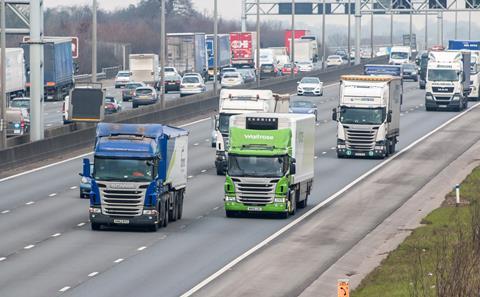
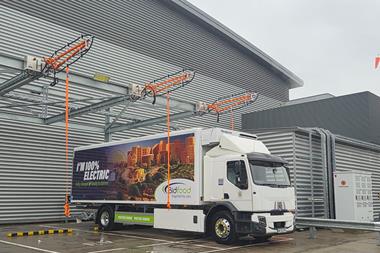
“Refrigerated transport – the vehicles responsible for moving over 50% of the UK’s food supply around the country – is particularly exposed to the recent price hikes,” said Cold Chain Federation CEO Phil Pluck.
“Operators are dependent on diesel to not only move vehicles, but also power the refrigeration units which keep food and vital medical supplies at a safe temperature.”
The government needed to “recognise the impact rising transport costs have across the supply chain, and ultimately on the end consumer”, he urged.
“These rising costs cannot be wholly absorbed by operators; they will move through the supply chain,” Pluck added.
“In our recent submission to the Chancellor, we called for an essential user rebate of at least 15p per litre for hauliers and HGV operators, and to maintain the 5p per litre fuel duty freeze beyond December 2026.”
If the government was “serious about reducing the cost of living, they must avoid a situation in which businesses are hit simultaneously by higher fuel prices and a tax increase on the same fuel”, he added.
Pluck’s calls were echoed by Richard Smith, MD of the Road Haulage Association, who this week said diesel prices and the fuel duty issue was “an immediate test” of Chancellor John Healey’s positive noises around driving economic growth.
“Planned rises of 3p a litre in January, another 2p in March and an inflation-linked increase from April would add costs across the economy,” he added. “A fuel duty hike is a food price hike.”
Meanwhile, petrol forecourts were also bearing the brunt of ongoing disruptions to food supplies, said Gordon Balmer, executive director of the Petrol Retailers Association.
“Our members are doing their best to shield customers from soaring fuel prices by absorbing rising wholesale costs,” he said, citing data from pricing platform EdgePetrol, which indicated retail margins for diesel had slumped by 21% since July.
Speaking at the Labour Party conference in Liverpool this week, Chancellor John Healey admitted UK diesel prices were currently “extreme”.
And while pointing to potential government action in the upcoming budget on 28 October, he added: “We’re also making the provision that we may need to and we have our own stocks in the UK.”
Some 86% of the average price of diesel “goes straight to the Chancellor in tax, a mix of fuel duty and VAT”, said RAC Foundation director Steve Gooding.
“If this government wanted to help drivers and businesses it could cut the amount of tax it takes,” he added. “The prime minister says politics is about choices. Unfortunately, most of the nation’s drivers don’t have the choice of whether to make a journey or not. They have to take the financial pain being inflicted on the forecourts.”




No comments yet