



Grocery inflation has eased to its slowest rate since 2024 but shoppers are still feeling the pressure of “cumulative price rises”, according to Worldpanel by Numerator.
Annual grocery inflation in the four weeks to 12 July stood at 2.6%, its lowest rate since December 2024, according to Worldpanel’s latest market update. Sporting fixtures and warm weather helped boost take-home sales at the grocers by 3.3% as shopping frequency increased.
“Easing price rises will come as welcome news to shoppers, but the annual bill tells a fuller story,” said Fraser McKevitt, head of retail and consumer insight at Worldpanel. “The average household spent £5,530 on groceries over the past 12 months to July, up £156 on the same period last year – a reminder that even as the rate of inflation cools, the cumulative cost of the weekly shop keeps climbing.”
Brands outgrew own label for the first time since August 2025, with sales up 5.5% versus 4%, as 497 million shopping trips were made over the four weeks, an average of 17 per household and the highest rate since March 2020.
McKevitt said: “Sport and sunshine combined to shape shopping habits this month, and England’s run in the tournament had a clear impact on the drinks aisle. With shoppers stocking up on matchday, and the day prior to the first three knockout matches, spending on beer rose 21% compared with the same days last year. That enthusiasm wasn’t shared in Scotland and Wales, however, where the comparable rise was just 2%.”
Convenience stores attracted an additional seven million trips compared with same four weeks last year, as shoppers “popped out for quick local runs”, boosting sales of branded soft drinks, confectionery and ice cream, according to Worldpanel.
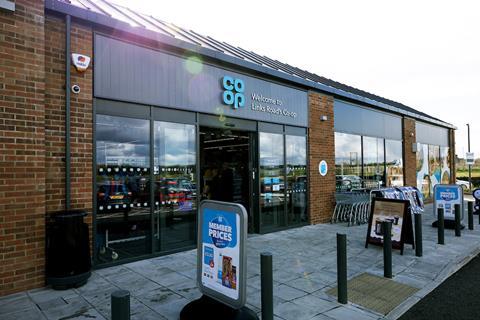
Across the major grocers, it helped boost Co-op’s sales by 5.6% year on year in the 12 weeks to 12 July, the fastest growth rate for the retailer since February 2021. It made Co-op the third-fastest-growing major grocer in Worldpanel’s analysis as it bounces back after being hit by a major cyberattack last year.
Ocado continued its long run as the fastest-growing grocer outright, with sales up 14.1% over the 12 weeks. Lidl continued to be the fastest-growing bricks & mortar operator, with sales up 8.6% over the four weeks, pushing its share to an all-time high of 8.8%, up from 8.3% a year ago.
The title of fastest-growing would have gone to M&S, whose grocery sales were up 16% over the 12 weeks, but Worldpanel does not define the retailer as a grocer and does not allocate it a market share. The growth rate for M&S is based on its fmcg sales, while others take in total spend through supermarkets’ tills.
Morrisons returned to share growth for the first time since May 2021, claiming 8.5% of the market, up from 8.4%, as sales rose by 3.5% year on year.
Asda was again the only major supermarket whose sales fell, but the rate of decline has eased to 1.1%, compared with a 3.6% fall in Worldpanel’s previous 12-week snapshot to 12 June. Asda’s market share now stands at 11.5%, down from 11.9% a year ago.



1 Readers' comment