



“Euphoria” over news of a ceasefire between the US and Iran prompted a rally in City shares on Wednesday, as investors bought back into disrupted stocks. UK retail shares leaped 5.3% on Wednesday, ahead of both FTSE 100 (2.5%) and FTSE 250 (4.1%).
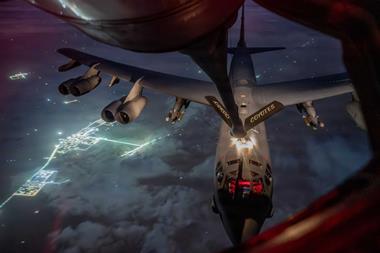
Oil prices had plunged around 15% that morning in the wake of president Trump’s announcement of a two-week ceasefire, intended for both parties to negotiate a permanent end to hostilities.
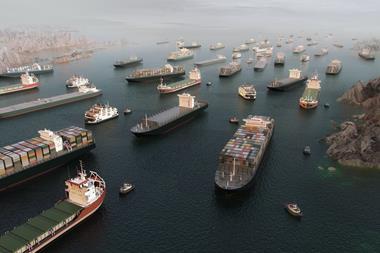
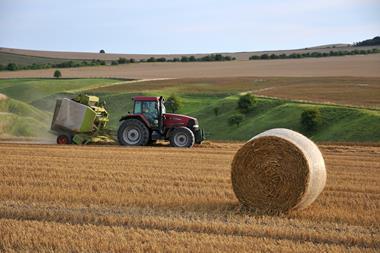
Markets soared at the prospect of a reopened Strait of Hormuz – a narrow channel through which around 20% of the world’s oil supply is exported from Kuwait, Saudi Arabia, Qatar and the UAE. Around a third of the raw materials for agricultural fertilisers passes through the strait.
The ceasefire arrived “just before” genuine shortages would have hit Europe, according to Peel Hunt analyst Kallum Pickering, who said it had “appreciably” reduced the risk of a recession.
Some of the biggest winners of Wednesday’s rally were drinks manufacturers – especially those reliant on energy-intensive glass packaging. Fever-Tree shares jumped 8.5% in the day; C&C’s shares were up 6.4%, alongside Naked Wines (3.6%) and Diageo (3.5%). Travel retailers likewise benefitted, with WH Smith up by 5.7% and SSP Group by 5%.
Of the grocers, M&S saw the largest single-day recovery at 6.5% – far above Tesco and Sainsbury’s, which registered increases of just 1.1% and 1.7% respectively.
Nerves have already been frayed over the delicate truce, however, after Israel killed more than 250 people, civilians included, in strikes on Lebanon later that day. While the US and Israel claim Lebanon was not included in the ceasefire, Iran’s deputy foreign minister said the bombing was a “grave violation” of the agreement.
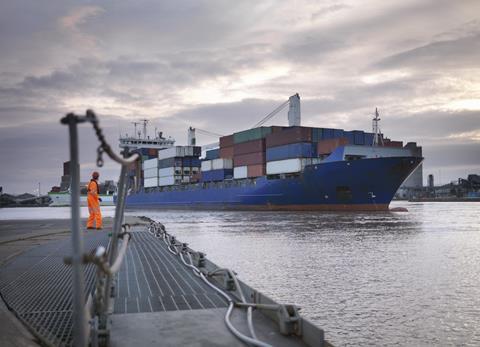
Shipping has not yet recommenced through the strait, leading to an air of “renewed nervousness” after Wednesday’s euphoria, said AJ Bell head of markets Dan Coatsworth.
“This agreement already seems to be fraying at the edges – with continued strikes by Israel on Lebanon a key sticking point. With talks on a lasting deal yet to begin, it’s understandable that investors are taking a circumspect view.”
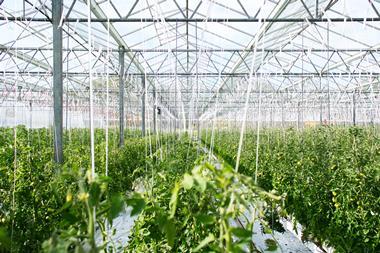
Even if a lasting peace is agreed, the FDF has predicted UK food Inflation will hit 9% in 2026 – so long as crucial Gulf infrastructure, much of which has been damaged in the war, is back to normal operations by the end of the year.
Poorer countries – especially those more reliant on manufactured fertilisers, such as India and East Africa, will be worst hit in the global crisis. The UN has warned 45 million more people have been put at risk of acute hunger because of the war.
“Even if this truce this truce marks the genuine end of fighting, some economic damage is already baked in – expect higher inflation in the second half of the year and slower growth for major parts of the global economy compared to the pre-war outlook,” said Pickering.
“The disruption and damage to infrastructure seen over recent weeks is likely to take months to unpick,” added Coatsworth. “Even if energy prices eased significantly tomorrow, there is still likely to be a lasting impact.”


No comments yet