




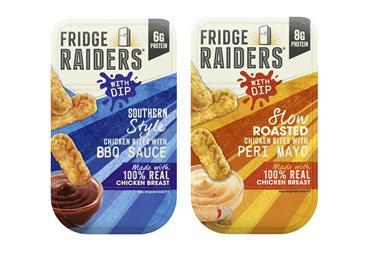
Protein is everywhere. From fortified supermarket snacks to restaurant menus, it has become one of the food industry’s biggest selling points. But the UK’s obsession with protein risks missing the point. Retailers have spent years competing on protein grams, when the next opportunity lies in helping shoppers choose better-quality protein that’s naturally nutritious, minimally processed and responsibly produced.
This reflects a broader shift in how consumers define healthy eating. Rather than chasing trends, people are now seeking foods that are naturally nutritious and support long-term wellbeing. Bord Bia research reflects this shift, with 62% of consumers paying more attention to healthy food choices than a year ago, while demand for high-protein foods continues to grow and “natural” remains a key driver of food choice.
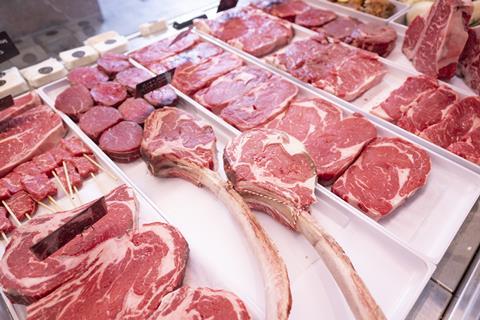
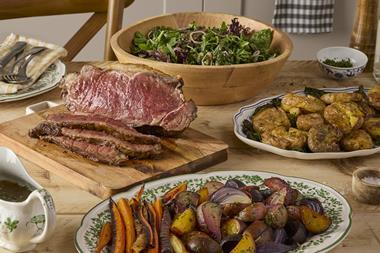
That’s where beef has a stronger story to tell than it’s often given credit for. It is naturally rich in high-quality protein and essential nutrients, while avoiding the extensive formulation often associated with some processed protein products. The good news is that shoppers are starting to take notice of those strengths. Bord Bia research shows demand for naturally nutritious foods continues to grow. Recent AHDB data shows shoppers are continuing to spend more on beef despite buying lower volumes, suggesting shoppers are becoming more selective rather than abandoning the category.
Looking ahead, the challenge isn’t demand, it’s proving relevance in today’s competitive market. Beef isn’t losing ground because shoppers have turned away from it, it’s losing ground to proteins that have been positioned as more convenient, more everyday and easier to build a meal around.
Shoppers haven’t stopped buying beef, they’ve become more selective about where it fits into their weekly shop. Yet the category is still too often marketed as a premium weekend meal instead of a nutritious, convenient option for everyday eating.
That’s a missed opportunity.
Repositioning beef as everyday
Affordable formats such as mince, burgers and stir-fry strips remain among the most popular beef products, yet they’re rarely chosen for the nutritional benefits they naturally provide. As cooking habits evolve toward quick convenient formats – air fryers, one-pan meals, fast midweek cooking – retailers have an opportunity to reposition these everyday beef products around what they deliver nutritionally, supported by simple meal inspiration rather than price promotions alone.
Of course, none of this removes the environmental question. The challenge for beef is that it remains in high demand while also having a relatively high carbon footprint when measured by emissions per kilogram. However, not all beef is produced in the same way, and the environmental impact can vary between production systems. That makes understanding how and where beef has been produced an important part of making more informed choices.
Through Ireland’s Origin Green programme, the world’s only national food and drink sustainability initiative, and Bord Bia’s independently audited Quality Assurance Scheme, Irish farmers measure and continuously improve carbon emissions, biodiversity, water use and animal welfare. By using Quality Assured beef from Ireland, retailers have an option to stock a product backed by credible, verified evidence of environmental progress rather than broad sustainability claims.
Shoppers may not always rank sustainability as their primary purchase driver, but retailers increasingly need products that can demonstrate progress alongside quality and nutrition. That’s where provenance, transparency and continuous improvement become commercial advantages, not simply environmental credentials.
The future of protein won’t be decided by whichever product carries the biggest “high-protein” claim on pack. It will be shaped by foods that can deliver nutritional value, fit naturally into everyday diets and demonstrate credible environmental progress. Beef has a role to play in that future. The industry’s challenge now is to make that case with evidence rather than assumption.
Sean Deane is market specialist at Bord Bia








No comments yet