The launch of Liquid Visions, a new craft beer series from market leader BrewDog, feels indicative of a brand and a category desperately searching to regain its relevance.

After much soul-searching, the brewer that kick-started the UK craft beer revolution two decades ago has come up with a formula it promises will bring “big flavour, bold design and fresh excitement back to the beer aisle”.

“We’re back to what put us on the map: premium craft brewing, done properly, done relentlessly,” said BrewDog after unveiling the series’ first two releases on social media yesterday (1 September). They are: Dive Bar, a 6% abv IPA and Krush Test Dummy, an 8% abv double IPA.

Underwhelmed? You’re not alone.

The fact that BrewDog, for so long a pioneer that was unafraid to break boundaries and norms, believes the answer to the category’s current woes – craft value sales fell 9.5% year on year in the five weeks to 11 July [NIQ] – lies in the launch of *checks notes* three IPAs and one double IPA is scarcely believable.

Hazy beer domination

Even a cursory glance at supermarket beer aisles would reveal the craft beer segment is suffering from what can only be described as “haze fatigue”. From double dry hopped pale ales to turbocharged double IPAs, the fixture is patently overrun with opaque, heavily-hopped brews promising a soft mouthfeel and exotic fruit flavours.

Dive Bar and Krush Test Dummy sound very much like more of the same. The former promises “tropical notes of peach, honeydew melon and creamy coconut” while the latter offers “tropical intensity, lush stone fruit and a silky-smooth juicy body”.

Even the second tranche of Liquid Visions launches offer little in the way of diversity. Launching in late September is Pacific Parallax, a 6.3% abv double dry hopped pale ale with “notes of lime and green melon”. Rounding out the series in October will be Strange Bines, a 7% abv – yep, you guessed it – IPA promising to deliver “pink grapefruit upfront, herbal aromatics and a balanced finish”.

All of these beers sound perfectly pleasant, and even enjoyable, in isolation. But they offer nothing new to the jaded craft beer shopper, nor the non-craft drinker BrewDog must win over if it is to arrest its own current sales slide.

Craft beer’s diversity problem

When craft beer began to flood UK supermarkets around 15 years ago, one of the major appeals of the category was the multiplicity of styles on offer. From Belgian-inspired saisons to hoppy pale ales and German-style lagers brewed with British ingredients, small and independent brewers won over drinkers by offering a genuine point of difference to what else existed at the time.

So it would have been refreshing to see BrewDog resurrect some of the styles neglected by the hops arms race of the past decade. Instead, it has doubled down on IPA, rejecting the chance to address the lack of diversity that has driven shoppers back to stouts, lagers and fruit beers brewed by the multinationals.

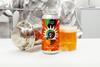
Its also telling that Liquid Visions puts the BrewDog brand firmly in the background, with tins featuring illustrations by global artists.

Given the furore that came with BrewDog’s controversial pre-pack sale to Tilray Brands earlier this year, it seems the brewer has decided the best way to sell its beer is to pretend it isn’t brewed by BrewDog at all.