One year ago, we launched our Shared Impact initiative, reimagining how retailers, suppliers, and communities could unite to tackle the grocery sector’s toughest supply chain challenges through precompetitive collaboration.
Shared Impact changes the game by making collaboration central to the supply chain DNA. By pooling volumes on Fairtrade terms, businesses can invest together in specific producer organisations, resulting in meaningful uplifts in sales and Fairtrade premiums. This extra income allows co-operatives to fund the projects that matter most today, as well as those vital for future resilience.
Once retailers gain deeper insight into their supply chains, they can also go further to address farmers’ long-term challenges.
A year ago, M&S became the first retailer to launch a cocoa pilot in Côte d’Ivoire, reinforcing its leadership in building resilient, fair supply chains. The results speak for themselves: its long-term partnership with the Yeyasso cocoa co-operative has provided members with security and price stability, enabling them to plan ahead and invest confidently in community and environmental initiatives.
Thanks to this partnership, a greater share of the Fairtrade premium is being invested in tackling Yeyasso’s environmental, social, and economic challenges. Initiatives include agroforestry projects, building community schools, installing water pumps, making direct payments to members, and strengthening child labour prevention systems.
At the same time, the co-operative is expanding its capacity to generate more business opportunities for farmers and members, ensuring lasting impact.
The path to ethical, sustainable food systems
Too often, investments between key supply chain partners are fragmented, with retailers and suppliers running siloed programs without consulting production partners or planning for long-term, systemic scaling.
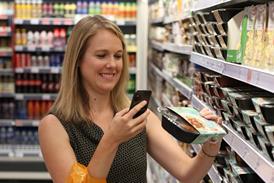
Today’s shoppers want to know where their products come from and how farmers are treated. Kantar research shows 86% of UK adults believe brands should be upfront about sourcing. Shared Impact can build credibility with these value-driven consumers.
Shared Impact isn’t just about today’s trade – it’s about building a resilient, ethical, and sustainable food system for tomorrow. It protects farmers and workers from vulnerability, shields businesses from shocks, and ensures consumers can choose products that make a difference.
This matters because the grocery sector is under immense pressure from inflation, sustainability targets and shifting consumer expectations. Shared Impact’s strength lies in its model of shared responsibility and action. When companies collaborate, they gain value from shared sustainability investments while creating benefits across the entire ecosystem, from farmers to their communities.
Ouattara Karim, project manager of the organic fertiliser facility at Yeyasso, told us: “In the cocoa sector, there is more and more talk of sustainability. Sustainability means taking action over the long term. And we want our partnership with Shared Impact to be a long-term one, so that the actions we take have a direct impact on our various communities.”
As we look ahead, the challenge is to scale this model. One year on, Shared Impact has shown what’s possible. The next step is to embed this collaborative mindset across the bananas and coffee industries. Innovation isn’t a solo act, it’s a shared effort. We urge more UK supermarkets and brands to join the initiative, helping to transform supply chains so that the farmers who depend on them are treated fairly and supported in growing their produce sustainably.
Kerrina Thorogood is partnerships director at the Fairtrade Foundation


No comments yet