





It’s been another busy week on The Grocer!
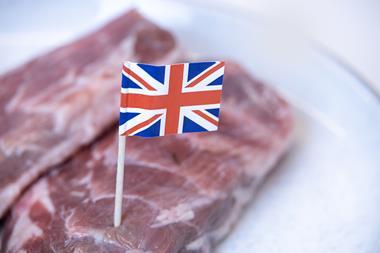
We’ve been speaking to a number of exporters since Monday after the US president announced punitive levies on eight European countries who opposed his extraordinary plans to annexe Greenland over the weekend. The general consensus was the tariffs could devastate the US prospects of UK food and drink exporters, making their products simply too expensive for US consumers – and this is a market worth almost £3bn a year. So news of a dramatic u-turnwill come as a huge relief. It’s been a massive waste of time basically.
But this whole unedifying geopolitical circus looks like it will still cause significant damage, not just for America’s allies, but for businesses who will have lost trust in the US market. Who would want to do business with such an unreliable partner? But we’re stuck with Trump for the next three years (at least) and perhaps the more pertinent question is this: what can UK food and drink exporters do to insulate themselves against such random but existential threats? Helpfully columnist Ian Wright, ex-leader of the Food & Drink Export Council, offers sage advice.
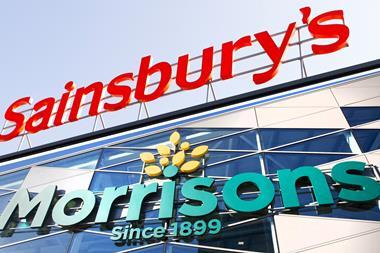
We’ve also published our annual Fascia & Franchise report. As well as outlines of the offers of all the leading symbol groups, the report explores the lengths to which they are going to respond to increased competition from the likes of Tesco Express, Sainsbury’s Local, Asda Express and Morrisons Daily. And the lines are increasingly blurred. Most obviously Tesco also happens to own Booker symbols Premier, Londis, Budgens etc.; but alongside its support for Nisa retailers, the Co-op now has 60 Co-op franchise stores. And as I argue in my leader the most intriguing symbol is arguably Morrisons due to its significant growth and ambitious targets on the so-called ‘fofo’ side.
Continuing the convenience theme the Big Interview is with Spar’s new CEO Michael Fletcher.
One of the most depressing sights in recent weeks has been the TikTok videos featuring bins at the back of supermarkets full of in-date food. The industry has made so much progress on food waste since The Grocer launched its Waste Not Want Not campaign, but it’s a constant struggle to ensure the processes and procedures are applied. And it was also depressing that there was little engagement from food waste charities on the topic. Not surprisingly the outrage has prompted new calls for new legislation, including a petition, but as we explain the picture is nuanced, with a number of possible legislative solutions.
As I’ve observed before, Veganuary has been quiet. But behind the scenes there’s been more fallout on the vegan food front, with mass redundancies at the Vegan Food Group as its UK operations have been wound down, although plant-based food brand VFC has been hived off in a deal that also includes sister brand Meatless Farm (which if you recall went into administration in 2023 before it was acquired by VFC). Also in the same stable it’s emerged that despite loads of hype Vegan Food Group’s Just Egg still hasn’t launched. What’s gone wrong? Fresh foods editor Grace Duncan argues that the giant consolidation play was too ambitious. Sometimes it seems the search for economies of scale can distract from addressing other fundamentals.
Conversely ‘Dry January’ holds much more appeal these days than ‘Veganuary’ – which makes it all the more odd that the government thinks it’s necessary to restrict access of low & no-products to under-18s. It seems most industry figures are in agreement that this isn’t some huge issue widespread problem that needs addressing, but instead a case of tidying up outdated legislation that hasn’t kept up with the growth of no and low-products. Still, it feels like government time and resources might be better used to finally give some clarity on alcohol-free descriptors – something the likes of Club Soda have long been campaigning for.
Meanwhile the resulting headwinds faced by the alcohol sector continue to result in closures and consolidation. This week alone the owner of Slingsby Gin has signalled its intent to appoint administrators, Halewood has sold its JJ gin and vodka brands to Poland’s United Beverages Group, and Black Sheep and Purity have been sold to Paramount Retail Group after their owner Keystone filed notice of intent to appoint administrators late last year.
And finally the spotlight turns to cleaning in our Focus On Household. Like other categories social media is disrupting the market, resulting in more challenger brands like Who Gives a Crap, Yass Clean and International Tissue Company. And these challengers are influencing the big players too. For a long time, most laundry detergents’ key messaging has been about how well they eliminate filth. Hence Persil’s ‘Dirt is good’ strapline and Ariel’s promise it “removes tough stains”. But Brits now expect a lot more from the liquids, powders and pods they pop into their washing machines. That’s all in our Focus On Household Cleaning and Household Paper reports.
Anyway, there’s loads more stories brilliant stories in this week’s issue. And even more on thegrocer.co.uk. But those are some of my faves. And we would love to know your thoughts on our coverage. Or is there anything we’ve missed? We’re all ears! Get in touch via LinkedIn or adam.leyland@thegrocer.co.uk.



No comments yet