



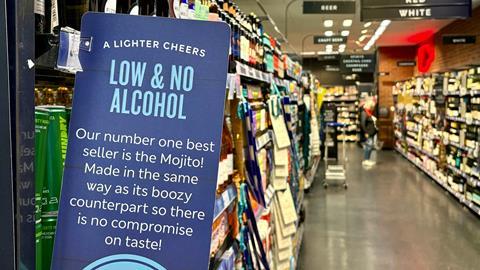
Low & no-alcohol drinks are back in the headlines, and not just because it’s Dry January
Last week, health minister Ashley Dalton reiterated the government’s desire to restrict the sale of non-alcoholic beers, wines and ‘spirits’ to under-18s. It came after Labour pledged to “restrict access” to low & no-drinks in its 10 Year Health Plan for England last July.
A ban was needed as there was “some evidence to suggest exposure to alcohol-like products… can normalise drinking, and become a gateway to alcohol consumption,” Dalton said.
But does this claim stack up? And what are the practicalities of such a ban?
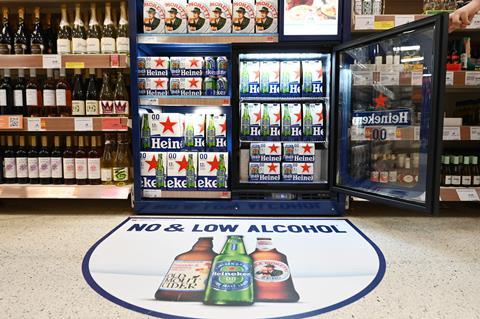
Lawmakers need to formulate a public health response to the meteoric rise of low & no-alcohol products, says John Holmes, professor of alcohol policy at the University of Sheffield.
For one thing, low & no-products could pose a risk to those “recovering from alcohol-use disorders”, he says, by triggering cravings for a real drink.
For pregnant women, they might “blur the boundaries between drinking and not drinking”, making it easier to slip between the two, he argues.
And for young people, getting “used to the flavour and paraphernalia of alcoholic drinks might support earlier initiation of drinking”.
At present this last point remains “just a hypothesis,” he stresses. “We don’t have strong evidence for or against it.”
Moderation tool
But industry figures insist that – far from persuading kids to take up drinking – low & no products are effective at helping adult consumers cut booze.
They are most frequently “chosen by adults who are moderating their drinking, abstaining altogether, or seeking inclusive options” when hosting, says Dan Harwood, MD at AF Wine brand Eisberg.
“If anything, alcohol-free wines support a shift towards moderation and responsible drinking, rather than normalising alcohol for young people.”
Evidence backs up this view. When surveyed by YouGov and the Portman Group in November 2025, 24% of alcohol drinkers to have tried low & no-alternatives said it had helped reduce their alcohol intake.
And a 2022 study by universities in Newcastle and Maastricht found the increased availability of low & no-alcohol beers created not “a gateway to purchasing same-branded higher-strength beers” but a route to reducing consumption.
No proof
Portman Group director of external affairs David Saer says the organisation has “yet to see any substantial proof” of claims low & no products act as a gateway to alcohol.
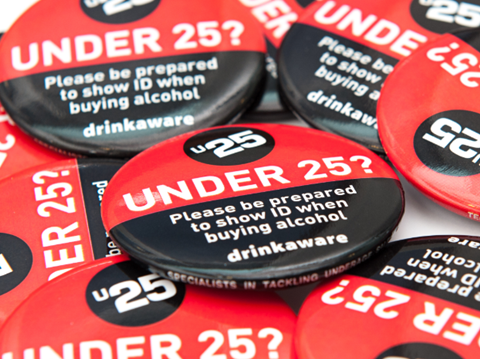
“The industry has already taken proactive steps to enforce a sales ban and apply Challenge 25 to these products in both shops and bars,” he says.
Meanwhile, recent YouGov polling shows underage consumption of low & no-products is “not an issue of concern amongst UK adults compared to… harms such as illicit drugs, vaping and social media use”.
Holmes agrees the consumption of low & no-alcohol products by under-18s is “not some massive problem” the government needs to address.
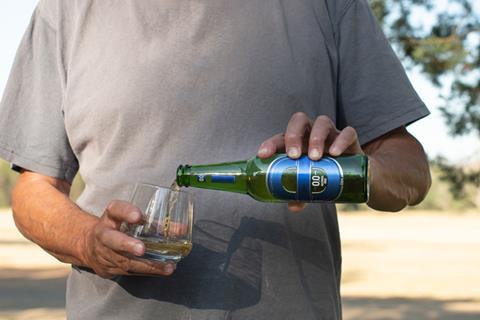
But as the UK’s Licensing Act only covers products above 1.2% abv, there remains a “basic gap in the in the regulatory environment” around low & no drinks. Tidying up the legislation while also “giving control to parents as to how much they expose their children [to] alcohol-like products” could therefore be worthwhile, he believes.
Doing so will require a clear definition of what constitutes a low & no product. Many of those seeking to ape full-strength wines and spirits are technically soft drinks.
Holmes proposes using an existing definition for an “alcohol replacement drink” – as defined by the Soft Drinks Industry Levy.
Products made from an alcoholic drink and de-alcoholised, made by blending alcohol with fruit juice, or through restricted fermentation or distillation, are exempt from the SDIL, provided they are advertised and sold as a direct replacement for an alcoholic drink and not marketed in a way that targets under-18s.
“There’s no reason that same definition couldn’t be used to make sure those products are not able to be sold to under-18s,” says Holmes.
The extent to which such a move is necessary will continue to provoke debate.
No comments yet