
Close menu
- Home
- Retail & Wholesale
-
Products & Suppliers
- Back to parent navigation item
- Products & Suppliers
-
Product Categories:
- Back to parent navigation item
- Product Categories:
- Alcoholic drinks
- Bakery
- Cereals & breakfast
- Cheese
- Chicken & poultry
- Chocolate
- Confectionery
- Crisps, nuts & snacks
- Dairy
- Fish
- Fresh produce
- Frozen
- Household
- Meat
- Own Label
- Sauces & condiments
- Seasonal
- Soft drinks
- Vaping
- Vegan & plant-based
- World foods
- Suppliers
- People
- Reports & Data
-
Topics A-Z
- Back to parent navigation item
- Topics A-Z
-
Popular topics:
- Back to parent navigation item
- Popular topics:
- Cost of living crisis
- Crime
- Deposit Return Schemes
- Finance
- Government & Regulation
- Health
- Inflation
- Loyalty
- Marketing
- Mergers & Acquisitions
- New Product Development
- Sourcing
- Supply chain
- Sustainability & environment
- Technology
- Ultra Processed Foods
- Vaping
- A-Z all topics
- Content by type:
- Events
- Ask iA
- Subscribe now
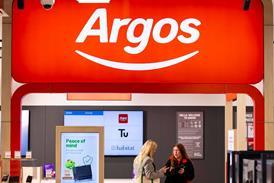


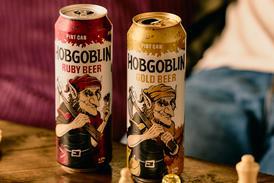


Shopper insight is great, but you have to ask: so what?
By Jeremy Garlick2025-12-11T08:30:00

Retailers and suppliers say consumer insight is crucial, but if you ask what they really mean the answer often lacks substance, says Jeremy Garlick, partner at Insight Traction
Retailers and their suppliers routinely say consumer insight is crucial to their business. But if you ask what they really mean, the answer often lacks substance. Few leaders show a real understanding of how to maximise insight to drive success.
Already have an account? Sign in here
Already have an account? Sign in here