





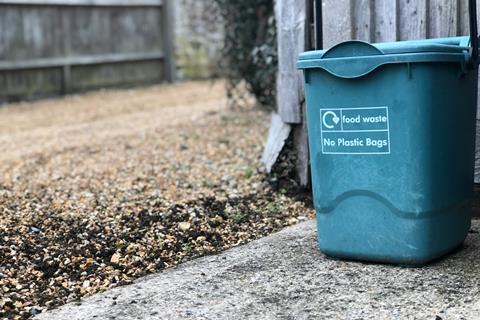
On 31 March 2026, the UK’s Simpler Recycling reforms arrived on doorsteps across England. For the first time, every household is required to separate core waste streams – including food waste – bringing them into line with rules that already apply to businesses. It’s a long overdue change.
This shift started in the workplace. Since 31 March 2025, businesses with 10 or more employees have been required to separate food waste, dry recyclables and general waste, ensuring valuable materials are no longer lost to landfill. These rules will extend to smaller businesses by 2027.
The household rollout now creates a more consistent, nationwide system, addressing the long-standing ‘postcode lottery’ that held recycling back and made it expensive and laborious to deal with food waste properly.
For commercial workspaces, the implications are significant. Offices, factories, hospitality venues and retailers have had to rethink how waste flows through their operations. Bin space is tight, pick-up frequencies need renegotiating, and staff training takes time. But the trade-off is worth naming: separating waste streams reduces contamination, improves recycling rates, and over time can lower disposal costs.
Most importantly, the mandatory collection of food waste changes everything. The UK throws away roughly 9.5 million tonnes of food every year, with around 60% coming from households — and when food decomposes in landfill, it releases methane, a greenhouse gas more than 25 times more potent than CO2. Yet the same waste, collected properly, becomes renewable energy and fertiliser through anaerobic digestion. For food businesses, that creates a clear incentive to measure, manage and ultimately reduce surplus in the first place.
This is a cultural change. When businesses are required to separate food waste, they become more aware of it. That awareness drives innovation, whether that’s sharper forecasting, redistributing surplus, or, like us, turning overlooked ingredients into new products.
The wider benefit is systemic. A consistent recycling framework makes it easier for brands, suppliers and consumers to pull in the same direction, so the grocer sorting offcuts, the manufacturer reformulating a product and the household scraping a plate are all feeding into the same system. It creates the conditions for a circular economy where waste is designed out.
Simpler Recycling introduces some new responsibilities, but it also provides something the industry has needed for years: clarity. And with clarity comes the opportunity to build a more efficient, less wasteful food system, one separated stream at a time.
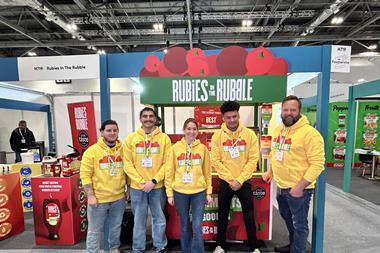
Jenny Costa is founder & CEO of Rubies in the Rubble







No comments yet