




I’ve spent a long time making the case for culture, often in rooms full of people who’d rather talk about distribution, price points and promotional spend. So I understand the scepticism. Culture feels like a luxury. Something brands with big budgets and even bigger agencies get to play with. It can also feel abstract. Something that sits a long way from the realities of shelf space and margin pressure.
Here’s why that thinking is costing brands money.
Working with Wall Street analyst Doug Shapiro, we produced the first large-scale, data-driven study linking cultural relevance to financial valuation. We analysed 75 brands across eight categories, including QSR and beverages. Categories that sit at the heart of the retail world.
The finding is unambiguous. Culturally relevant brands are valued at nearly three times more than those that aren’t. Not three times more liked. Not three times more followed. Three times more valuable, in the metric that CEOs and shareholders care about most.
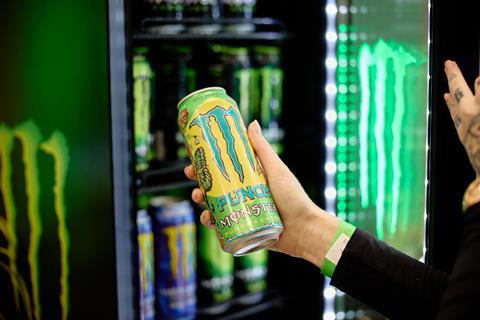
Take Monster as an example. It has built a 30x EBITDA business in part not by outspending competitors on media but by embedding itself so deeply in action sports, esports and music culture that it became inseparable from them. A decade-long UFC partnership. Early investment in esports teams before it was mainstream. Artist and festival partnerships tied directly to its brand values. The valuation reflects that cultural depth.
Another example is Costco. When people talk about culture being key to its success, they usually mean its famous employee culture: high wages, low turnover, job satisfaction. But there’s an argument for the Costco brand being a fully fledged subculture today too.
It’s unusual for a wholesaler to have made bulk buying toilet roll aspirational. But like everything in culture, it comes down to values. By living its progressive company values publicly for decades, Costco has built up a level of trust with customers that adds to the fun of the treasure hunt-style shopping experience.
Rather than guilt, a trip to Costco became a ritual that people enjoyed sharing, comparing experiences and bargains with friends. From those rituals, symbols emerged like the membership cards or the own-brand products, things that signal membership to the community. From this community icons are born, like TikTok stars the Costco Guys, who popularise the language and behaviour of the community in the mainstream, increasing its reach and membership.
This is the process all brands want: an army of fans who won’t only shop with you, but go to bat for you. Include you in their sense of identity. A real community that doesn’t just live on internal decks, but in the real world, talking about your brand in their daily lives. That only happens when a company lives and breathes its values long term.
Beyond marketing tactics
What Costco and Monster have in common is that they’ve both moved beyond treating culture as a marketing tactic. They’re living it systematically across three dimensions.
First, mirror by integrating culture’s language, iconography and key references into marketing, communications and partnerships. To do this well, brands must understand the icons, rituals and emerging trends within the culture. Second, collaborate by working with genuine cultural figures to co-create something additive, not just borrowing their reach. This requires understanding of the values, needs and motivations of the community in question.
Third, own by investing in building properties, IP or infrastructure for relevant areas of culture. This is where brands move from participating in culture to shaping it.
The brands that do all three simultaneously are the ones commanding the highest valuations.
For grocery and retail brands specifically, this represents a massive opportunity. Tesco trades at 8.5x EBITDA. Aldi, which scores significantly higher on cultural relevance in our study, commands 21.2x – nearly two-and-a-half times Tesco’s multiple.
While cultural relevance won’t be the sole contributor, our data suggests it’s a core part of what’s driving it. Yet most of the category has ceded cultural participation entirely, leaning instead on price and promotion.
And I get it. The internal case for investing in culture has always been hard to make. Too soft and abstract. Too hard to measure. Too easy to cut when budgets tighten.
But now, the argument against it just got a lot harder to sustain.
Jed Hallam is founder of CultureLab





No comments yet