



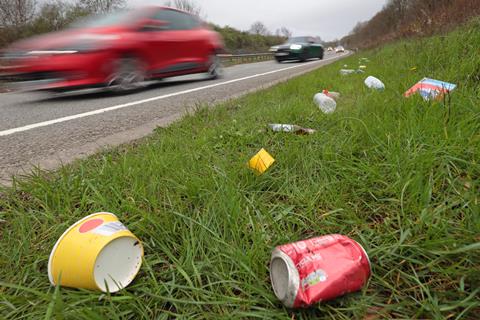
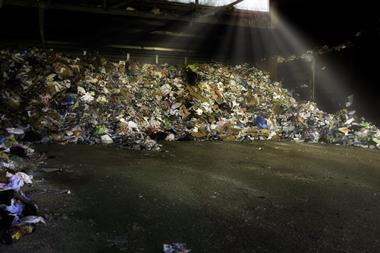
Every food and drink business depends on thriving local communities. Yet litter continues to undermine high streets and public spaces across the UK, costing the economy more than £1bn annually. While the sector has rightly invested in recyclable packaging and circular economy initiatives, the next step is ensuring that packaging never becomes litter in the first place.
Our latest research suggests that brands can play a significant role by supporting behavioural change and community partnerships that deliver measurable environmental, social and commercial benefits. A separate report, A Rubbish Reality, published by Keep Britain Tidy last year, showed more than 90% of sites across England surveyed over the past 10 years contained litter.
Beyond environmental damage, litter affects consumer perceptions of place and people’s sense of wellbeing, reduces civic pride, and can discourage investment. The challenge is particularly acute in deprived areas, where our research found almost three times as much litter as in the least deprived communities.
Everyone can be part of the solution by bringing councils, brands and communities together on the issue. To understand what works in practice, Keep Britain Tidy partnered with KFC, Mars Wrigley, McDonald’s and Nestlé to test how co-ordinated behavioural interventions could positively impact a community facing persistent littering challenges.
What the pilot showed
We brought together more than a decade of behavioural insight, applying it in a single location with considerable deprivation and litter. A survey of residents in Heckmondwike, West Yorkshire, showed just 56% said that they love where they live – 10% below the national average. The result, after a 12-month pilot, was a 16% reduction in food and drink-related litter and a 20% reduction in confectionery litter.
The 12-month ‘Love Where You Live Heckmondwike’ programme was backed by Kirklees Council and local MP Kim Leadbeater. Through co-investment in research, campaign development and local activation, partners supported a co-ordinated multichannel programme.
The pilot used evidence-led messaging tailored to specific litter behaviours like careful littering (ie the art of carefully placing a wrapper on a park bench) to strategic placement of litter interventions in high-impact locations paired with positive motivational drivers. Community engagement and localised creative was used as well as collaboration with businesses, schools and local residents.
The aim was to empower the community with the tools and incentives they need to make a real difference. The impact of each initiative was carefully measured, with the aim of creating a toolkit for other towns facing similar issues.
Beyond headline figures, the results went further: perceptions of fast food litter as a problem fell significantly, from 86% to 42%, while 16% of businesses in the area said customers would spend more in cleaner areas, and satisfaction with cleanliness increased by 22 percentage points.
Cleaner communities are part of the commercial equation
Consumers do not separate brands from the environments in which they encounter them. For businesses investing heavily in packaging reforms for the deposit return scheme and extended producer responsibility, as well as customer experience, local reputation and ESG commitments, cleaner communities are increasingly part of the commercial equation. This pilot shows that sustained, joined-up action delivers far greater results.
So, what can brands do to support this agenda?
- Invest in behaviour change alongside packaging innovation: Complement packaging improvements by supporting evidence-based campaigns, such as this one, that encourage responsible disposal and shift social norms.
- Build local partnerships: Lasting change happens when brands work alongside organisations like Keep Britain Tidy, councils, schools, community organisations and residents. Local challenges require local solutions.
- Prioritise measurement: Set clear objectives to understand where investments are genuinely reducing litter and improving community perceptions.
The lesson from Heckmondwike is clear: when brands invest in behaviour change and community partnerships, meaningful improvements follow. Supporting cleaner, more vibrant communities is everybody’s business. During this project, KFC, Mars Wrigley, McDonald’s and Nestlé showed their commitment to that idea. We would love to see other brands from the food and drink sector follow suit.
Allison Ogden-Newton is CEO of Keep Britain Tidy




No comments yet