




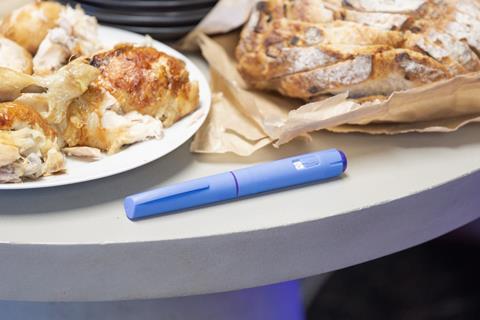
An estimated 8.25 million people in the UK have either taken, are taking or are considering taking GLP-1 medications. This level of uptake is undoubtedly one of the biggest and fastest-growing changes to consumer health in recent memory, and retailers are responding accordingly.
Boots UK’s dedicated in-store GLP-1 hair and skin support fixture was launched in June and marks an important shift, as products designed specifically for people taking weight-loss medications hit the mainstream. No longer confined to specialist stores, they’re appearing on the high street and signalling that GLP-1 users are becoming an established shopper group rather than an emerging niche.
With oral versions of GLP-1s now available from high street and online pharmacies in the UK, more consumers than ever will be brought into the category. The retail implications are hard to ignore.
For grocery retailers, this is about far more than stocking a handful of new products. It raises broader questions about how shopping habits evolve when a growing proportion of consumers are eating and shopping differently, seeking products to support a new lifestyle.
The challenges of GLP-1s
One of the biggest challenges we’re seeing is that people taking GLP-1 medications are eating less, and as a result become more selective about what they do eat. This is having a knock-on effect as reduced appetites make it harder to meet nutritional requirements, placing greater emphasis on foods that deliver protein, fibre and other essential nutrients in smaller portions. Rather than disengaging from grocery shopping, these consumers are becoming more intentional about every purchase they make.
This shift creates opportunities, but it also challenges how supermarkets organise product categories in store and online to better serve shoppers’ needs. Boots’ new fixture groups products together around these needs, rather than a more traditional shelf placement. Grocery retailers are already moving in the same direction. Ocado recently experimented with a dedicated weight-management section, bringing together portion-controlled meals, high-protein products and supplements into a dedicated weight management section, recognising this shifting shopper mindset before backtracking after a backlash that ‘weight management’ claims were unauthorised and risked regulatory scrutiny.
The challenge is striking the right balance to improve navigation without separating products from the wider grocery shop. Grouping products around consumer needs makes shopping easier, but grocery retailers should avoid creating a siloed GLP-1 category. The experience of free-from ranges teaches us that over-labelling can limit discovery, with shoppers overlooking products because they appear to belong to someone else.
New ranging strategies
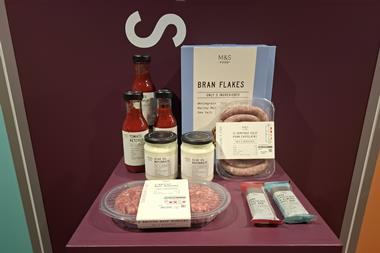
Ranging strategies are changing just as fast. Several supermarkets, including M&S, have introduced smaller portion, nutrient-dense meal ranges, signalling that they expect these eating habits to become a permanent shift rather than a fleeting trend. However, the challenge isn’t making products smaller, it’s proving they’re worth the money. Consumers are willing to pay more for products that genuinely deliver nutritional value, but smaller packs without meaningful increases in protein, fibre or vitamin content risk being seen as little more than shrinkflation, undermining trust in both retailers and brands.
Getting the language right is just as important as the ranging. Many brands are beginning to update their ranges in line with the changing palates that can accompany GLP-1 weight-loss drugs, with Nestlé developing new flavour combinations in collaboration with GLP-1 users to get the taste right.
Yet not everyone wants to be reminded that they’re using these drugs, calling for brands to target GLP-1 users in an implicit way with language consumers already understand such as high-protein or nutrient dense. This also removes the risk of regulatory backlash and isolating consumers who aren’t using these medications.
GLP-1 uptake is further evidence of healthcare and grocery becoming increasingly connected. Some supermarkets (including Asda, Tesco and Morrisons) now offer GLP-1 prescription services, meaning they are uniquely placed to support customers throughout this journey by pairing with food products to help people adapt to changing nutritional needs.
‘Club Ozempic’ could describe this evolution. Rather than treating GLP-1 users as a temporary trend, retailers can begin supporting a community of shoppers whose relationship with food, health and wellness is changing significantly. Boots’ new fixture may look like a relatively small merchandising decision, but it signals the start of something much bigger. Grocery retail is beginning to reorganise around changing shopper needs, and those that respond early will be best placed to meet the demands of this growing consumer group.
Amy Stobie is co-founder and commercial director at AgencyUK







No comments yet