





Protein has become the nutrient we are told to worry about most. From supermarket shelves to social media feeds, we are bombarded with messages about eating more, hitting daily targets and choosing products with added protein. But amid the noise, we need to ask a simple question: are we solving a nutritional problem or creating a new one?
For most healthy adults in the UK, protein deficiency is not the everyday crisis some marketing would have us believe. Most of us already consume enough to meet our basic needs. Yet a growing nutrition narrative suggests that unless we actively maximise our intake, we are somehow falling short.
That is a powerful message for the food industry. It is also one that deserves scrutiny.
The problem begins when we confuse adequate with optimal. Online influencers and wellness brands routinely promote protein targets way above general population recommendations, presenting them as universal requirements rather than goals tailored to individual lifestyles, training regimes or health circumstances. Higher intakes may benefit people undertaking intensive physical activities, strength training, and athletes, but for many healthy adults, too much protein could cause health issues.
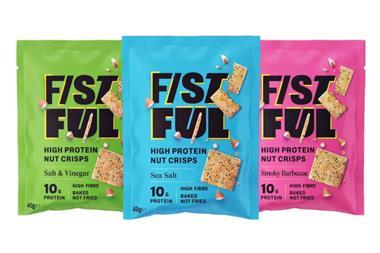
More protein is not automatically better protein and a higher number on a nutrition label does not necessarily mean a healthier product. Many high-protein products are ultra-processed and are often more expensive, even when they contain only marginally more protein than their conventional counterparts.
The consequences extend beyond our wallets. Fear-based nutrition marketing can leave consumers paying a premium for fortified snacks, drinks and everyday staples they may not need, while encouraging the misconception that higher protein content equates to better nutrition. Worse, it creates confusion about what a healthy diet actually looks like.
Social media has accelerated this problem. Short videos, simplified rules and confident claims reward certainty over nuance. Protein becomes a daily target to hit or a deficiency to fear. Food, which should nourish us and bring enjoyment, becomes another source of anxiety.
Also concerning is what gets pushed aside. When consumers prioritise protein above all else, other vital nutrients such as fibre can become a secondary consideration, even though the stats tell us that 96% of Brits are not getting enough. We risk teaching people to count one nutrient while forgetting the bigger picture.
The need to put protein in context
This is not an argument against protein. It is an argument for putting it in context. Protein is essential for maintaining and repairing tissues and supporting bodily functions. Some groups genuinely need to pay closer attention to their intake, including older adults at risk of muscle loss, people recovering from illness or injury, or athletes undertaking demanding training. People following restrictive diets may also need to plan carefully to meet their requirements.
For everyone, however, the conversation should move beyond how much protein we consume to how we get it. This is what I mean when I talk about eating protein better.
Everyday foods can provide excellent sources of protein alongside other important nutrients. Eggs, fish, yoghurt, milk, beans, lentils, tempeh and tofu all have a place in a balanced diet. Tempeh provides fibre as well as protein, fish can supply beneficial fats, and dairy foods can contribute calcium. Protein-enriched products and supplements can be useful when they meet a genuine need, but they should complement a healthy diet, not distract from it. The best choice depends on individual needs, preferences and circumstances.
Brands and retailers have an opportunity to help consumers make informed choices through clear labelling, responsible claims and products that deliver broader nutritional benefits.
The next chapter of the protein conversation should be about education rather than escalation. We need to explain the difference between recommended intakes and performance-oriented targets, identify who may benefit from more protein, and help everyone build healthier eating habits.
Protein has earned its place in the spotlight. It does not need to monopolise it. Because good nutrition starts with evidence, variety and enjoyment, not fear.
Dr Ando Ahnan-Winarno is founder and COO at Better Nature








No comments yet