



Shoppers cautiously returned to the shops in July, but the stifling heatwave meant retail footfall remained “under pressure”, analysts have warned.
Total UK footfall fell by 2.1% in the four weeks between 5 July and 1 August, according to the latest BRC-Sensormatic data. While it was a fall, it was an improvement on a 3.4% decline the previous month.
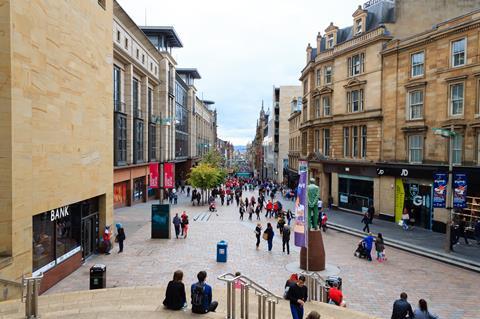
High streets, particularly those in bigger cities, were the worst affected, with footfall down by 3.8%, albeit an improvement on –6.2% the previous quarter. Shopping centres were also down by 1.4% year on year.
Retail parks, however, fared better, with visits up 1.4% in July, reversing a 2.5% decrease the previous period.
“July saw UK retail footfall remain under pressure, with total visits down 2.1% year on year,” said Andy Sumpter, Sensormatic EMEA head of consulting & analytics.
“While this represents an improvement on June’s –3.4%, the broader trend remains challenging, with six of the first seven months of 2026 performing worse than the same period last year. The exceptionally hot and historically dry weather is likely to have been a significant factor, discouraging shopping trips and particularly impacting high streets.”
In a month where the football World Cup defined shopping habits, when it came to footfall, England was the “weakest” performing of the home nations, with overall visits down by 0.3%. Footfall increased by 2.7% and 2.6% in Scotland and Northern Ireland respectively. It was dead flat in Wales at 0.0%.
“England recorded the weakest performance of any UK nation at –3.0%, with London down 5.3%, highlighting the continued challenges facing larger urban centres during periods of extreme heat,” Sumpter continued.
“There were, however, some positives. Retail parks returned to growth and shopping centres also saw visits increase, suggesting consumers are still willing to visit destinations, even if they are making fewer retail trips once there.”
Retailers were yet to experience any meaningful ‘Burnham bounce’ following Andy Burnham’s succession of Keir Starmer on 20 July, Sumpter said. For now the focus remained on “converting these more selective visits into meaningful spend as the summer progresses”, he said.
Retailers need to prepare stores for permanently higher temperatures
British Retail Consortium chief executive Helen Dickinson cautiously welcomed the improvement in footfall figures. However, she warned that with higher temperatures set to become more prevalent in the UK, retailers would need support in order to adapt their shops and supply chains to cope.
Hundreds of supermarket fridges failed across the country during the record temperatures in June, leading to empty shelves and high levels of waste.
“The heatwave continued to bear down on retail footfall in July, with high streets worst affected,” Dickinson said. “London was hit particularly hard as soaring temperatures made tube and train travel less attractive, with some commuters and shoppers opting to stay home.
“Climate change continues to deliver more and more extreme temperatures in the UK. Retailers are responding by investing in both mitigations – such as more air conditioning and more efficient refrigeration units – and in sustainability initiatives aimed at reducing carbon emissions. Unfortunately, business rates often punish stores for such investments, showing the need for government to look again at this broken system,” Dickinson said.





No comments yet