




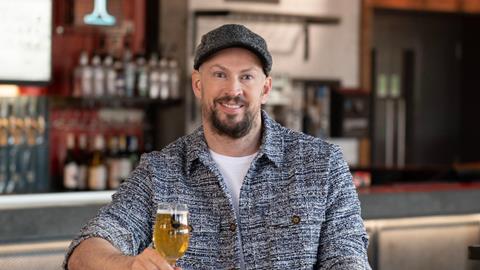

To current BrewDog boss James Taylor, James Watt must feel like a bad smell that just won’t go away.
Throughout his (so far) brief tenure in charge of the Scottish beer giant, Taylor has been at pains to portray BrewDog as a business finally moving on from its problematic past – and its equally problematic founder.
But a character as outspoken as Watt was always going to be hard to shake off. Whenever the former fisherman so much as logs in to LinkedIn, BrewDog is invariably mentioned in the same breath.
And now Watt may be preparing to do more than just make some noise. According to reports in Propel, the Scottish businessman is weighing up a bid to buy back control of the business he launched with Martin Dickie almost two decades ago.
So – having stepped back as CEO in 2024 – why would Watt want to buy BrewDog back? And could his return spark a revival for the brand, following a following a period of flatlining sales and persistent losses?
Watt’s acrimonious exit
Despite successfully growing BrewDog from an unruly startup to a multinational brewer with production sites on three continents, more than 100 bars and 2,500 staff worldwide, Watt remains a controversial figure.
Back in 2021, an open letter from current and former staff accused Watt of presiding over a “culture of fear” at BrewDog, a workplace where toxic attitudes were said to be rife, while bullying and misogyny thrived.
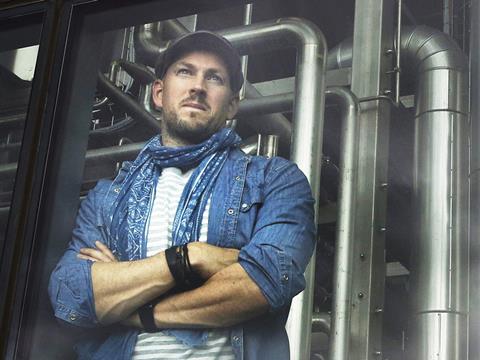
The following year, a BBC documentary The Truth About BrewDog’ made several serious allegations of inappropriate workplace behaviour by Watt – claims he has consistently denied.
Both the documentary and the earlier staff accusations cast a long shadow over Watt’s premiership of BrewDog – as did his decision to buy shares in Heineken despite publicly criticising it and other multinational brewers.
Indeed, many in the industry believe Watt’s exit from BrewDog in 2024 was inevitable, as he had simply become too toxic for the BrewDog brand to move forward.
Boring BrewDog
However, in the 18 or so months since Watt’s departure, BrewDog’s fortunes haven’t exactly improved. Sales of its beers remain sluggish, while – if recent controversies serve as a temperature check – the brand’s reputation still needs significant repair work.
Hence it is unlikely the speculation that Watt is angling for a sensational return will be warmly welcomed internally.
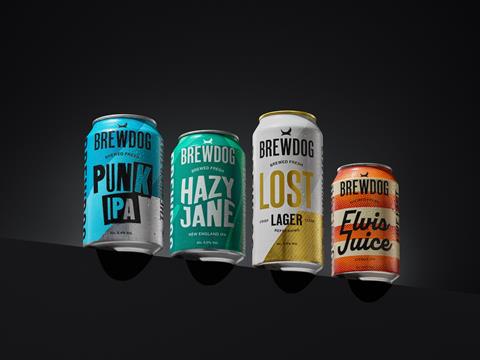
But it’s also clear that BrewDog remains a business in urgent need of direction. Since selling a 22.5% stake to private equity firm TSG in 2017, the bold, brash and outlandish stunts that made the brewer famous have quietly fallen away. In their absence, brand BrewDog has become tired and, if we’re being brutally honest, a bit dull.
So perhaps Watt buying back control and promising to bring back the punk BrewDog of old could be the shot in the arm the business needs.
Why Watt wants what he wants
As someone who regularly cites Elon Musk as a business idol, it’s easy to understand why buying back BrewDog would appeal.
Never short on self belief, Watt will undoubtedly think he can revitalise and rejuvenate the business with a focus on speed and efficiency. Combine that with what he sees as an unrivalled understanding of what made the brand great in the first place, and his pitch to BrewDog’s shareholders becomes easy to imagine.
However, while Watt remains a director of BrewDog, any path back to control would be far from straightforward.
To regain a majority share of the business, Watt would need to acquire at least another 28% of BrewDog (currently, he owns 22%, with co-founder Dickie holding a further 21%).
TSG, meanwhile, is guaranteed a payout somewhere north of £800m on its 22.5% stake thanks to a clause inserted in the deal it penned back in 2017. Watt made somewhere in the region of £100m from that sale, but is unlikely to have the resources to re-acquire TSG’s now bloated stake alone. Any deal would likely hinge on negotiating TSG down significantly and persuading some of BrewDog’s legion of ‘Equity Punks’, who collectively own 29% of the business, to divest.
To achieve the latter, Watt would need to convince Equity Punks that selling their shares back to him offers their best chance of a return on their investment – thanks to a deal structure he himself negotiated. Given EFP shares are a lower class than TSG’s, and the prospects of a payout diminish every year BrewDog fails to grow, this hypothetical pitch has some logic.
Even so, it’s hard to imagine many shareholders queueing up to buy Watt a pint after selling up.







No comments yet