



If anybody doubted that the return of parliament could spark one of the craziest periods of politics we’ve witnessed for many years, those doubts would have quickly evaporated this morning following news from north of the border.
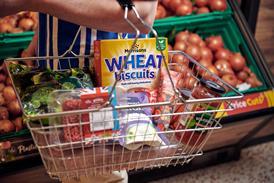
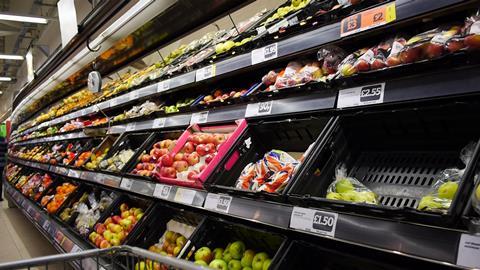
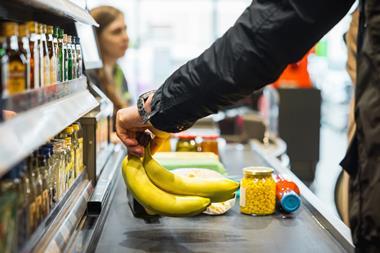
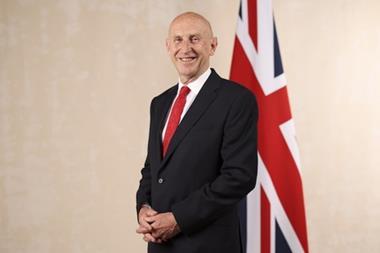
The Scottish first minister John Swinney led the charge: a modern-day Braveheart taking on supermarket price inflation with a barmy plan to cap the price of essential goods in shoppers’ baskets.
Or should that be a 2026 version of Ted Heath, who infamously brought in price caps in the 1970s to tackle soaring prices?
To say Swinney’s claymore-wielding plans are overkill, considering that food inflation, according to the latest figures, increased to 2.8% year on year in August (just slightly above the three-month average of 2.5%), is an understatement.
Put that into context: when Heath was at the helm, he was dealing with inflation of between 16% and 19%.
Indeed, countries with more recent examples of price caps have faced much greater crises. Hungary, which introduced its first mandatory food price cap in February 2022 and went on to introduce a 10% retail profit margin cap on basic food products, was facing food inflation of 45% when it stepped in, and the country was in a state of national emergency. Croatia introduced caps around the same time, when food inflation was touching 20%.
Unlimited fines
Undeterred by history (or warnings from industry bosses) that his plans won’t work, and will face a furious battle in the courts, Swinney today set in motion a consultation which will run until the end of November. It will set the tone for what promises to be a race among governments to prove who can be the greatest “cost of living” chieftain.
Under the SNP’s radical plans, all retailers making more than 50% of their annual turnover from grocery, with more than 250 employees and a turnover of more than £250m per year, will be forced to bring in caps on a raft of essential food items, set to include up to 50 products such as bread, eggs and milk.
All supermarkets that stock products from the list will have to have at least one at or under the price cap. And if (or should that be when?) they run out, they will be forced to swap in another at the same price – presumably until that runs out too, and so on and on.
It’s little wonder that a warning of government-induced shortages on the shelves was one of the first things mentioned in a letter to Swinney from industry leaders yesterday, setting out the potentially disastrous consequences of the policy.
As if the prospect of a complicated new system of price caps was not enough of a headache for the supply chain, it also emerged supermarkets face the prospect of “unlimited fines” if they fail to comply with the new regulations. One of many areas of the scheme yet to be fleshed out is what happens to supermarkets if they don’t meet the requirements.
The draft says either a fine up to £10,000 or an “unlimited fine” are both potential penalties which could be decided by a court, taking into account all relevant circumstances. It is also exploring an alternative of fixed penalty fines for stores, potentially ushering in a new era of the price police.
That is, of course, if it ever gets anywhere near becoming reality.
Madcap scheme
With reports that even Swinney’s own legal advisers have warned him the madcap scheme is on dubious ground, sources said it was inevitable that the Scottish government would face a legal challenge over the proposals if it pushes ahead – and the plans could also be blocked by Westminster (which could be exactly what he wants, of course, given the politics of independence).
Whether or not price capping north of the border becomes a reality, the fact such measures are even being considered shows the extent to which the cost of living will dominate the coming period of politics.
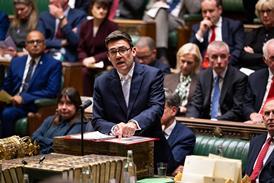
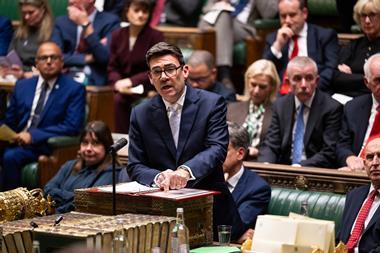
And whilst Westminster – which also flirted with the idea of price capping back in spring, but dumped it after a furious reaction from supermarket bosses – has so far backtracked on such ideas, Andy Burnham has Braveheart tendencies of his own.
Only last month Burnham announced his own consultation on “rip-off” loyalty prices, despite repeated findings from the Competition and Markets Authority (CMA) that the UK boasts one of the most competitive supermarket sectors in the world.
Never let the truth get in the way of a good story, goes the old adage. And as we have seen all too often in these recent most extraordinary of times, it is political leaders that are too often pushing the narrative.



No comments yet