




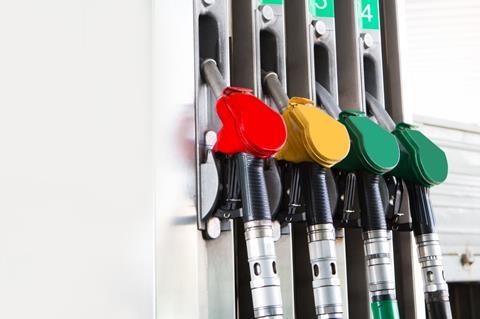
The 5p cut in fuel duty has been extended until the end of the year, as government seeks to ease pressure on motorists and businesses facing rising pump prices caused by the Middle East conflict.
It was supposed to be in place until August, with plans to gradually reverse the cut by March 2027. The rates were to rise in three stages: 1p per litre on 1 September, 2p on 1 December, and a further 2p on 1 March.
Chancellor Rachel Reeves had faced mounting pleas from forecourt retailers and motoring groups to scrap the increases amid rising oil prices linked to the Middle East conflict, which has been above $100 a barrel since late April.
The government has now announced that the 5p cut on fuel duty will be extended for the rest of the year.
By the end of 2026, the cut will have saved the average driver £120 since 2025, ensuring fuel duty on petrol and diesel remains at its lowest rate for over 16 years, it said.
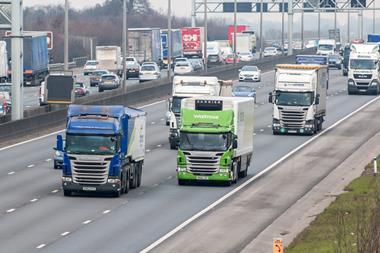
The conflict has also pushed up costs for hauliers. The Chancellor is giving them a 12-month road tax holiday – meaning they will pay £1 at renewal, saving £600 for a typical heavy lorry and £912 for the biggest vehicles on the road.
Farmers, rail freight, and other red diesel users will also see their fuel duty cut by over a third until the end of the year. This is the lowest rate in over 20 years, helping to keep the cost of doing business down at a time when red diesel prices are around 50% more than their pre-crisis levels.
“I know many are feeling the pressure of energy and fuel costs, and are worried about how the conflict in Iran will affect their finances,” said prime minister Keir Starmer. “Because when global events drive up prices, it’s working people who feel it first.
“That’s why this government is stepping in to keep fuel costs down for millions of drivers and putting money back in the pockets of working people.”
Reeves said: “I’m keeping taxes down for drivers and businesses – putting money in the pockets of millions of workers and cutting costs for farmers and hauliers.
“The war in Iran is pushing up fuel prices here at home but after strong growth at the beginning of the year, I am stepping in to protect people at the pump. By protecting households and businesses we are building a stronger and more secure economy for Britain. That is the right economic plan.”
Trade bodies have welcomed the announcement.
”This is a welcome decision for the sector,” said Food & Drink Wholesale UK CEO James Bielby. “A rise in fuel duty would have had a significant impact across the food supply chain at a time when businesses are already facing considerable cost pressures.
“Fuel is not a discretionary cost for wholesalers - it is fundamental to keeping shelves stocked, hospitality supplied and communities served. Increased transport costs ultimately feed through into higher costs across the supply chain and additional pressure on food prices.
“We welcome the Government’s recognition of these challenges and its decision to provide greater certainty and support for businesses operating at the heart of the UK’s food distribution network. Ongoing dialogue between the Government and industry will be important to ensure that, where needed, further measures can be taken to support businesses and further protect food supply resilience.”
Petrol Retailers Association executive Gordon Balmer said: ”Rising fuel prices continue to place real pressure on drivers, families and businesses across the country. I have been urging Government to recognise the impact these increases are having, so the decision not to add further costs through fuel duty will come as welcome news for many motorists at a difficult time. Drivers looking to reduce costs further can also compare local fuel prices using the petrolprices.com app.”







No comments yet