







Food bosses have called on Andy Burnham to pause plans to update the nutrient profiling model for at least five years, claiming that “cost heavy” health regulation is killing investment.
Research among its members by the FDF and Argon & Co found nearly 70% of companies said regulatory certainty was important in deciding whether to embark on supporting healthier product innovation.
The new research follows previous FDF claims that the government has massively underestimated the cost of bringing in the new 2018 NPM, to replace the model that has been in place since 2024 to decide which products are classed as HFSS.
The research found 69% of companies had had products delisted by retailers, while 63% had lower consumer sales than expected, which they put down to the impact of regulation.
Some 81% of respondents have reformulated products and half (50%) had increased innovation in response to regulation.
The federation said it was calling on the government to ensure that regulation was stable “for five to 10 years” starting by pausing plans to update the model, which underpins advertising regulations which came into force in January and in-store promotions brought in since 2022.
Government plans to bring in the new NPM, which would reclassify thousands of products as HFSS, have been on hold along with other key proposals in last year’s NHS 10-year plan. Health campaigners strongly argue that the government needs to push ahead and ignore calls from food companies for a row back, arguing that it has had years to prepare for the NPM change and that it has been in place for more than 20 years.
But in June FDF-commissioned research by economic advisory firm Oxford Economics, which looked at 15,000 products from some of the UK’s biggest food and drink manufacturers, found that the new NPM could cost companies more than £2,800 per product, 50 times the figure suggested by the government.
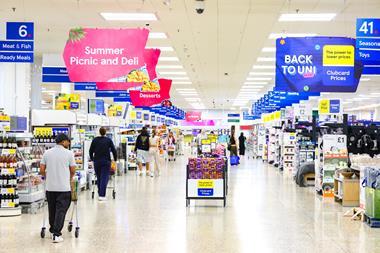
FDF CEO Karen Betts said: “You only have to look around a supermarket to see the food and drink industry’s commitment to offering healthier options to UK shoppers.
“This is in spite of the fact that, as with any cutting-edge innovation, many of the new products that companies trial don’t actually succeed.
“But industry’s commitment is being undermined by government proposals to change regulations that have only just come into force.
“Companies need regulation to stay in place for at least five years if they are going to invest in new products to meet it. And it’s not just the pace of change that’s the problem, these latest proposals take little account of what’s actually possible in practice.
”So instead of driving more healthier products on to the market, government will actually drive companies away from making what are risky, multi-year investments. That’s bad for consumers, bad for our diets, bad for British business and bad for the economy.
“Government and industry agree that we need to support consumers in making healthier choices and in tackling obesity. Rather than moving the goalposts, undermining business confidence and good faith investments by businesses, government should instead work with us to make real-world progress.”
However the proposal was met with anger by health campaigners.
“Calling for a further five‑year delay is indefensible. The update to the Nutrient Profiling Model (NPM) has already been sitting on the shelf since 2018, giving industry ample time to prepare,” said Obesity Health Alliance exutive director Katharine Jenner.
“More than one in five children in Year 6 are now living with excess weight, rising to almost 30% in the most deprived areas, affecting children’s health, education and future employment. This will have far more severe consequences for the economy than updating how we define healthy food.
“Updating the NPM is essential if advertising and promotions regulations are to remain credible, effective and aligned with current NHS dietary advice. This long‑overdue update will help reduce children’s exposure to unhealthy food advertising and make healthier choices easier.
“Furthermore, child health and British business do not need to be in conflict. Businesses do need regulatory certainty - which is exactly why Government should stand by its NHS 10‑Year Plan commitments made over a year ago on the NPM, and publish both the consultation response and the consultation on the Healthy Food Standard. Child health cannot wait a moment longer.”








No comments yet