


Somewhere in the past decade, the retailer became the disruptor and the brand became the incumbent.
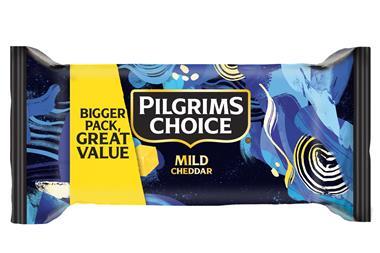
Mintel’s Global New Products Database shows that own label crossed a tipping point in 2025, driving 53% of UK food and drink launches – up from 50% the year before, and just 18% in 2000. They’ve disrupted on innovation, on price and now even on taste, while brands are left defending price points they no longer control.
The instinct is to fight back with more innovation, more functional claims, more R&D in a bid to justify price and fend off elasticity. That’s the wrong move. Retailers can fast-follow a formula. What they can’t fast-follow is fandom and the pricing power it offers.
Kantar’s BrandZ research found that brands with high pricing power can charge up to twice as much as weaker rivals, because strong brand equity makes demand stubbornly inelastic.
Seen through this lens, fuelling fandom isn’t a nice-to-have you bolt on once the real marketing’s done. It is the real marketing – the lever that lets a brand charge more and keep the shopper anyway. The smartest brands are already using fandom as their defence of price premium.
Take Heinz. In January 2026, it launched the Dipper, a fold-out ketchup pocket built straight into the fry box so nothing goes soggy on the way home. In August 2026, it followed up with the Love Lid, a customisable cap with three settings – Like, Love and Crazy Love – that it says was designed off the back of Reddit threads where fans argue over the correct ketchup-to-fry ratio.
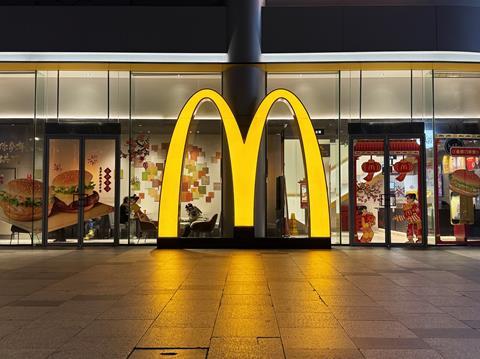
McDonald’s found its fandom rather than manufacturing it. In 2012, a fan started a Facebook group for the Filet-O-Fish. It sat there for 13 years with six members. In 2025, McDonald’s UK revived it, growing it to more than 5,800 members – enough, in McDonald’s own words, for “a small yet mighty fanbase” to become “something much bigger”, and enough for it to declare the UK’s first National Filet-O-Fish Day.
Neither is product innovation. Nor are they frivolous ideas created for an award show jury. They’re fandom first ideas, deliberately built or deliberately amplified as a defence of price premium – and it’s the one thing own-label cannot manufacture on the same timeline, however good its ketchup or tea tastes.
So, if you’re running an innovation pipeline right now, ask yourself this: which ideas are actually fuelling fandom and which are just buying you six months before own label fast-follows them cheaper?
Pay attention to what your customers are saying about your product: how they use it, what they love about it, even the jokes they make about it. Most brands shrug it off as noise. The smart ones are starting to treat it as a commercial imperative.
Own label can fast-follow a formula. It can’t fast-follow a fandom. That’s the difference between a brand fighting on price and one people choose anyway.
Tarek Sioufi is chief strategy officer at Grey London





No comments yet