


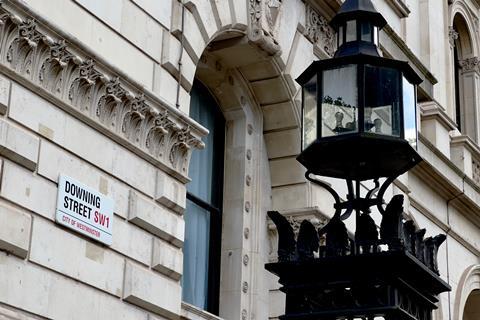
Last time I was here, I argued the timing of the budget in late November is an act of ignorant self-harm by a government which simply doesn’t care or understand its largest, most economically and culturally important industry: food and drink.
That contention has been demonstrated by the events of the past couple of weeks. Even in the run-up to normal budgets there is significant uncertainty about the likely impact of the Chancellor’s potential proposals. So businesses in all sectors, but particularly food and drink, have to pause investment lest some Treasury tax wheeze will compromise it. At the same time, cautious shoppers will decide to hold off on purchases while they wait to see how they are hit.
This would always be a cause for concern, but the effect is magnified – and the damage multiplied – when it falls bang-slap in the middle of the make-or-break Christmas trading period for food and drink retailers, manufacturing. and hospitality.
Political distractions
Political kite-flying – leaking out particularly contentious proposals to assess the reaction of allies and opponents, the media and the public – has been a significant part of the pre-budget process throughout the past three decades.
Ken Clarke (Chancellor from 1993 to 1997) did it regularly. In line with his avuncular ‘nice bloke in the pub’ image, he did it as if writing an episode of Midsomer Murders. He would lay a trail of red herrings to elevate the full drama of the moment before he went full Inspector Barnaby and offered a big reveal of the key measures.
Gordon Brown was more scientific. He systematically tested out voter reactions to most of the contents of his budget speeches with focus group polling. Immediately after the financial crash in 2008, the fragility of the economy meant the practice was a little more respectful. However, after 2010, George Osborne restored it and all his subsequent Conservative successors were enthusiastic adopters.
Read more
-
Budget 2025: how Rachel Reeves compromised on business rates
-
Budget 2025: how has food, drink and retail reacted to the news?
-
Supermarkets facing business rates hike after Treasury u-turn
So, to the extent that she was, er… ‘road testing’ budget measures to gauge the public mood, Rachel Reeves was doing nothing very much out of the ordinary. She did, though, rather take it to the extreme. As a result, a lot of rather pious – and pompous – hot air has been expended on attacking her for misleading the public. This has meant that real focus on the radical changes she made has been lost. Its impact on business in general and for food and drink in particular has been hardly considered at all.
That includes many of our industry representatives. The CBI only argued against Reeves’ “scatter-gun” approach to taxation. The FDF said she “fell short of what the food and drink manufacturing sector needs for stability and growth”. UKHospitality was characteristically more forthright: it railed against a “damaging blow for pubs, restaurants and venues which significantly increases business costs, threatens viability and harms jobs and consumer prices”.
The financial markets were calm. Without the ditched explosive increases in income tax and reductions in National Insurance, the ‘smorgasbord’ of complex changes, immediate and delayed, received a muted reaction.
Wealth redistribution
Amid all this, the major redistribution of wealth from those in work to those on benefits – Ms Reeves’ biggest announcement – astonishingly passed many by. I don’t think Ms Reeves will mind the sound and fury about whether she misled the public or the media or Parliament. It may even have been a deliberate distraction.
It is not my place here to comment on whether that redistribution is a good or bad thing. But it surely is a radical change about which we should have some sort of serious national debate. It is a conscious choice to prioritise benefits over enterprise by a government which claims to champion growth. It put additional financial burdens on those in work, on those with decent pensions or other incomes, and on all UK companies.
Ms Reeves reasonably describes them – us – as those with the broadest shoulders. But she hid this defining policy of her budget in plain sight. I do wonder what might have been the public reaction if that kite had been flown in full view ahead of the budget speech.
Ian Wright is a partner at Acuti Associates





No comments yet