
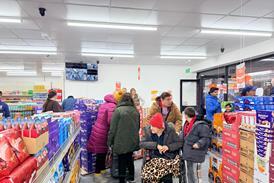
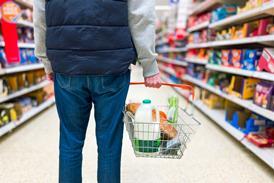


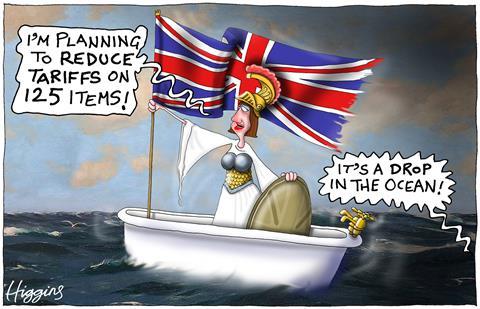
The list is out. Tariffs will be cut on 125 items, we are told, as part of a cost of living “blitz”, saving shoppers £150m a year – if the savings are passed on, that is. Some say the emphasis on imports does nothing to help British farmers and producers. Indeed, almost 60% of the items on the list are grown or manufactured in the UK. Some say the items selected do not join up with health policy. And it’s true: 25% of them are often HFSS.
But these are red herrings. For this so-called ‘blitz’ isn’t worth a hill of beans (baked, preserved or otherwise). My back of an envelope calculation is that £150m equates to 4p a week off (or £2 per year) off the average food bill – if all goes to plan. Whereas 10% food inflation on the average £102/week food bill [Worldpanel] would cost the average shopper £10 per week (or £500 per annum).
The £150m ‘saving’ also assumes the government has done its sums right. But the list includes a number of items on which no tariff is currently applied. Take olive oil. Prices have soared due to the scorching heatwaves from 2022-24. And they haven’t fallen as much as they should. But reducing tariffs won’t make a jot of difference as the majority is imported from the EU (for which there is no tariff) and even Tunisia has zero customs duty.
It’s a similar story with fresh and dried fruit & veg on the list, with importers we’ve spoken to claiming there’s no tariffs applied, so far as they know, whether inside or outside the EU.
The government’s proposals are out for consultation. With business confidence among suppliers at an all-time low expect them to be treated with contempt. The NFU has already dismissed the move, while others have dubbed it “hilarious” and “pathetic”. In response to the NFU’s request fertiliser is a last-minute addition to the list. That would certainly help UK farmers and growers. But you have to wonder why wasn’t it on there in the first place.

No comments yet