





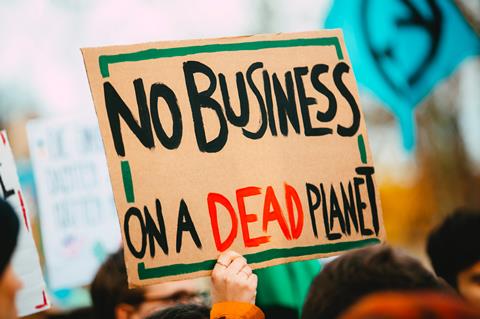
Has the shopper’s commitment to sustainability stalled? Between the fierce politicisation of ESG and the rise of ‘greenhushing’, some brands are starting to question their commitment to sustainability.
Even Oatly’s CEO recently commented that “gloom and doom” climate talk put consumers off sustainability, resulting in a dip in sales of its plant-based milk.
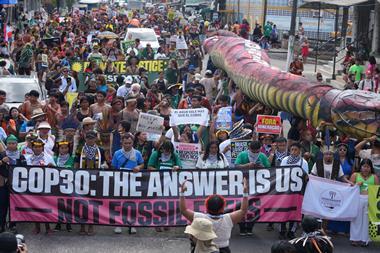
However, recent research suggests consumers are demanding more climate leadership, not less. Last year, a survey representing 87% of the world’s population, showed 80% of respondents want their government to do more on climate.
Media reports of political pushback against climate action don’t represent the whole story. Dig deeper than the news agenda and another narrative emerges: some consumers are using purchasing power to support products and services that champion sustainability, and they are prepared to pay a premium to buy what they want.
Sustainability can still drive sales
PwC’s Voice of the Consumer 2024 found that consumers are willing to spend on average 9.7% more for sustainably produced/sourced goods, with around 80% saying they’d pay more.
There is also real-world evidence that sustainability can drive sales. The Wall Street Journal reports one case in point: Waitrose raised the price of its ethically sourced chocolate by 10% and sales increased, demonstrating that clear ethical positioning backed by credible claims can convert shoppers.
Sustainability, when evidenced, provides a market differentiator that can lead to growth. According to NYU/Stern’s Sustainable Market Share Index, sustainable products outperform conventional products in the consumer packaged goods sector, with annual growth rates of 12% (vs 5% for conventional products).
Beyond building trust, brands that employ their core mission as commercial strategy can actively disrupt a static category.
Tony’s Chocolonely, for instance, didn’t just integrate a social mission; it was founded as a protest against exploitation in the cocoa industry. This “impact-first” model has not only built brand loyalty but has fuelled explosive commercial success, capturing market leadership in the Netherlands and becoming a top growth driver in the UK, proving a radical mission can be a powerful engine for stealing market share.
Compliance as competitive advantage
Global businesses are navigating the changing regulatory, investor and consumer landscape as the world transitions to a low-carbon economy. Organisations that use smart tools such as data analytics, scenario modelling, and financial planning for climate action can turn their compliance into a competitive advantage. By embedding sustainability into their core business strategy, these companies can build long-term resilience and drive meaningful impact.
Despite this, fewer than 18% of major corporations have developed robust “finance-grade” models to quantify their climate initiatives. Fmcg companies are leading the way – around one in seven already include climate risk in their strategic planning.
Using evidence to measure sustainability helps businesses choose the most effective path forward, for stakeholders, customers and regulators alike. It connects investment in decarbonisation initiatives to real business benefits like stronger supply chains, improved efficiency, and better cost control.
By putting a financial value on nature-related risks and opportunities, companies can create practical, actionable transition plans which can be easily actioned and shared across an organisation and beyond.
Boardroom to bottom line
Climate is now a regular boardroom topic as business leaders recognise the revenue risks posed by climate and nature-related disruption. Recent research found over a third of corporate capital spend is now aligned with sustainability goals, as investment in decarbonisation initiatives continues to grow.
While Oatly reflects on a decline in US sales, flagging consumer support for sustainability is unlikely to be the reason behind its challenges.
The era of climate disruption is far from over. Regulatory, investor and consumer pressure for companies to publish clear, financially backed transition plans will continue to shape business strategy for many years to come.
Andrew Coburn is CEO at Risilience









No comments yet