




For years, the default answer to a marketing problem was simple: spend more, push the product harder, optimise faster. HFSS changes that brief.
With the January 2026 restrictions now in force, the easy options are narrowing. It’s much bigger than a compliance issue. HFSS is not just a media rule, it’s part of a wider effort to reduce children’s exposure to food marketing that shapes preferences, purchase requests and consumption. The government estimates the new restrictions could remove up to 7.2 billion calories from children’s diets each year and help prevent around 20,000 cases of childhood obesity.
So, the opportunity is not to find a workaround, but to grow in ways that rely less on paid, product-led advertising and more on brand, culture and connection. Done properly, that aligns with both the rules and the broader direction of travel.
Lazy marketing
Don’t think about this as restriction, see it as an opportunity for reinvention.
The new regulations make easy and lazy marketing choices harder. If a brand is overly reliant on pushing product through paid media, the rules will bite. Don’t think that this is something that can be sidestepped with boosted posts or paid creators either. That misses the point. We need to think more creatively.
That is why these rules may prove to be a blessing in disguise.
They push brands away from interruption and towards something more resilient, with campaigns that show up in the moments, communities and conversations people actually care about. The brands best placed for this moment are not necessarily those with the biggest broadcast budgets. They are the ones that already know how to build themselves in culture.
Culture not convention
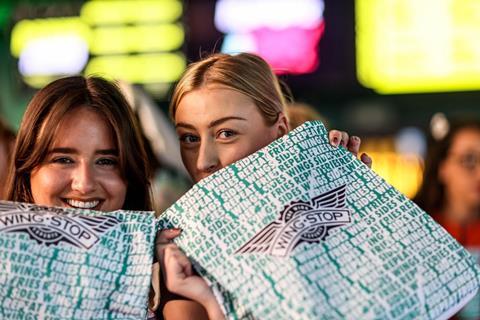
Wingstop is a clear example. Long before HFSS became a 2026 reality, it was growing through youth culture rather than conventional food advertising. In 2023, its founders said around 70% of UK sales came from 16 to 34-year-olds, driven by a strategy built around music, sport, TikTok, influencers and collaborations with brands such as JD Sports, Gymshark and Tinder.
By focusing on grassroots talent, authentic partnerships and creative storytelling, it embedded itself in the culture of its audience. The result is a brand less dependent on pushing product messages through increasingly constrained paid channels.
That is what connection looks like: not just exposure, but participation.
Growth in this category will come less from single hero placements and more from orchestrated, multichannel ideas rooted in relevance. Domino’s ‘Yodel Boiz’ is a good example: a functional app feature launch turned into entertainment through Channel 4 and social, delivering more than 3.1 million views and 92% positive sentiment.
The response to restriction should be to get more creative and more culturally active.
So perhaps the real question is not “how do we work around HFSS?” but “what kind of brand have we built if a restriction in paid media leaves us exposed?”
The brands that struggle will be those reliant on showing the product, shouting the offer and chasing the click. The ones that win will use this moment to sharpen their identity, invest in fame and build with audiences in spaces where relevance is earned rather than bought.
HFSS does not make marketing harder for the best brands. It makes mediocre marketing harder to hide. And that may be exactly what the industry needed.
Nick Wright is CEO at Havas Play






No comments yet